





AI in sports industry: applications, benefits, and future trends

Nov 19, 2026 27 min read
AI in sports industry icon.
Head of Big Data, AI/ML/DS Departments
Verified expert
Every article at Innowise is created by authors with real-world experience. They understand the topic beyond theory and bring insight from real projects.
11+ years of experience
Verified expert
11+ years of experience
Philip builds data infrastructures that provide clarity. He focuses on the "why" behind the data, architecting systems that process massive volumes into actionable insights while ensuring the technical vision remains sharp and purposeful.
Expertise
Big data AI & ML Python
Let's talk

Key takeaways

  • AI is already operating at professional sports scale. The NBA, NFL, FIFA, Wimbledon, and other major sports organizations have implemented AI-powered analytics, officiating support, or fan-facing systems.
  • The financial opportunity is substantial. Grand View Research estimates the global AI in sports market at $12.7 billion in 2026 and projects it will reach $49.9 billion by 2033.
  • Sports analytics has become far more sophisticated. Machine learning and computer vision can process video, player movements, workload data, and match events to help teams investigate questions that conventional statistics cannot answer.
  • Business application of AI in sports extends far beyond athletic performance. Media production, ticketing, sponsorship measurement, fan personalization, and stadium operations all present opportunities for AI adoption.
  • Results depend on implementation. Data quality, integration, model validation, and staff adoption determine whether an AI system becomes a useful part of daily operations.
  • Human expertise remains essential. The most valuable systems support coaches, analysts, clinicians, officials, and business leaders with better evidence rather than making consequential decisions without oversight.
Summarize article with AI

$700,000 saved per season. 90% less manual work. That’s what the NFL achieved by using AI to analyze helmet impacts. And all that from automating just one analytical task.

Think you know what AI can do in sports? I’d bet you’ve barely scratched the surface. And I’m dead serious.

AI is analyzing game strategies, helping coaches manage injury risks, automating broadcasts, and changing how sports organizations compete, perform, and grow.

Let’s see how far the technology has come and who’s making the most of it.

AI in sports: market overview

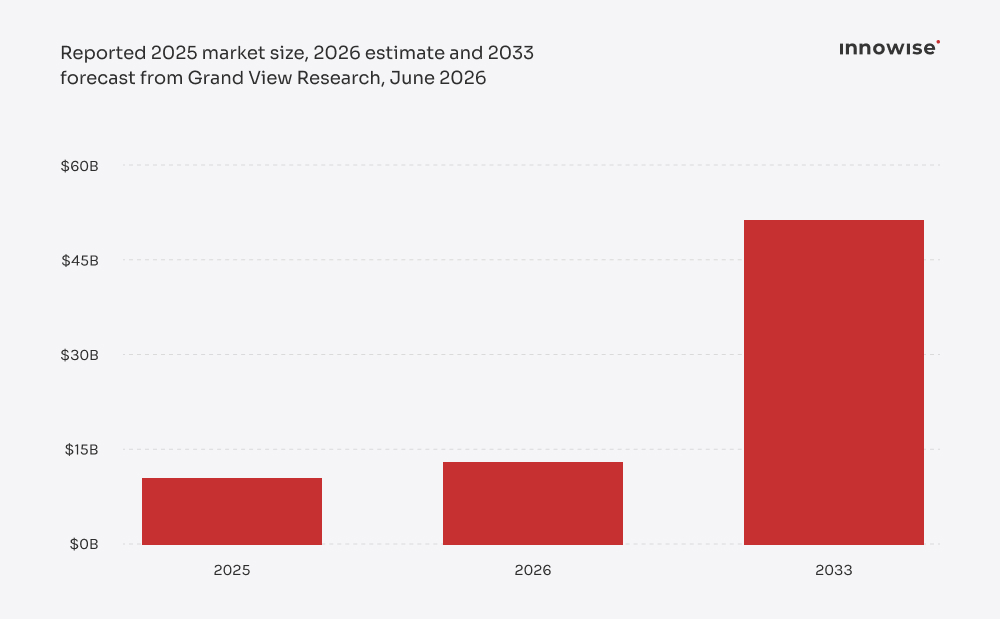
According to Grand View Research, the AI in sports market was worth $10.6 billion in 2025 and is estimated to reach $12.7 billion in 2026. By 2033, it could approach $50 billion.

$12.7B

Estimated market size, 2026

$49.9B

Projected market size, 2033

21.6%

CAGR, 2026–2033

You might ask, “Philip, what’s driving such spending?” My educated guess is that professional teams are investing in AI to get more out of their performance data, from match footage and player tracking to training loads and recovery metrics. AI helps them spot tactical patterns, assess player performance, and make better-informed coaching decisions.

For leagues and broadcasters, the priorities are different: automating video production, delivering personalized fan experiences, and measuring sponsorship exposure more accurately. Sports technology companies, meanwhile, are bringing AI-powered coaching and analytics tools to a much wider audience.

Key applications of AI in sports industry

Artificial intelligence in sports covers several technologies, each suited to different tasks.
Let’s see what these technologies do in professional sports.

Athlete performance and competition

AI in sports analytics

Traditional sports statistics tell us who scored, assisted, or completed the most passes. Useful information, of course, but there’s much more happening on the field than the scoreboard can explain. Take basketball: a player’s shooting percentage tells us little about the defensive pressure he faced or the space his teammates created. AI-powered analytics can fill in these gaps by combining computer vision, player-tracking data, and machine learning to examine positioning, movements, and tactical decisions.

The NBA is already applying this approach through its Inside the Game platform, developed with AWS. The technology uses 29 tracking points per player to generate advanced statistics, including new measurements of defensive performance. For coaching staff, this means being able to investigate tactical patterns across hundreds of possessions instead of manually reviewing hours of footage.

Game strategy

Formula 1 teams have been running race simulations for years. And for good reason. A perfectly timed pit stop can become a terrible decision if rain arrives or a safety car changes the race. AI takes these simulations further by analyzing tire degradation, lap times, weather forecasts, and competitor behavior to estimate how different strategies might play out. Oracle Red Bull Racing uses cloud-based simulations and announced plans for an AI strategy agent in February 2026.

The same analytical principles apply to football and basketball. Coaches can examine opponents’ tactical patterns and use models to compare possible decisions. One particularly interesting technique is counterfactual analysis, which estimates what might have happened if a player had chosen a different action, such as passing instead of shooting. Of course, these are probabilities rather than guarantees, but they provide valuable evidence for tactical preparation.

Personalized training

There’s a reason professional athletes don’t all follow identical training programs. Their workloads, physical characteristics, and recovery responses differ, sometimes considerably. AI helps coaches account for these differences by analyzing information from wearable sensors, training logs, movement assessments, and performance tests. Say a runner’s pace remains stable, but their heart rate during comparable sessions keeps increasing. The system can flag that change alongside other workload indicators, giving coaches a reason to investigate and adjust the training plan if necessary.

The NFL’s Digital Athlete initiative shows how extensively performance-related information can be combined. The program uses player-tracking data, game footage, and simulations to investigate player health and safety, providing a foundation for more informed training and recovery decisions.

Injury risk and recovery

A hamstring injury can keep a football player out for weeks, and returning too early brings its own risks. AI helps medical teams analyze training loads, movement patterns, injury histories, and rehabilitation progress to identify changes that deserve attention. For instance, unusual running mechanics combined with an increased workload may signal the need for further assessment.

The NFL’s Digital Athlete initiative mentioned earlier, also uses tracking data and simulations to study player safety. But there’s an important limitation: injury prediction remains difficult because injuries have complex causes and relevant datasets can be limited. AI can flag elevated risk, but it cannot reliably determine who will get injured. Medical professionals still have to interpret the findings.

Scouting and recruitment

Scouting departments have a problem that even the largest budgets can’t completely solve: there are simply too many players to watch. AI helps narrow the search by analyzing performance data across competitions and identifying candidates who match a club’s requirements. And finding the right player isn’t always about the highest statistics. A midfielder with excellent passing accuracy in a possession-dominant team might struggle in a fast counterattacking system.

Advanced analytical methods can account for playing style, defensive pressure, and the context of individual actions. Research into Expected Possession Value models demonstrates how tracking data can help evaluate player contributions beyond conventional statistics. For clubs with limited transfer budgets, this opens up opportunities to identify overlooked talent and make the initial scouting process more efficient.

Officiating and judging

A few centimeters can decide whether a goal counts. At the 2022 FIFA World Cup, semi-automated offside technology used 12 dedicated cameras to track up to 29 points on each player’s body, 50 times per second. The system was designed to send alerts to video officials, who reviewed each one. For the 2026 tournament, FIFA upgraded the system. Clear positional offsides now go directly to the officials on the pitch, so assistant referees can raise the flag right away, which FIFA says also lowers injury risk in the moments before the flag goes up. Every player was 3D-scanned so the system works from an accurate digital model of each one, and 16 optical tracking cameras in each stadium produced more than 150 million tracking data points per match.

And football is only one example. At the 2023 Artistic Gymnastics World Championships, Fujitsu and the International Gymnastics Federation introduced an AI judging support system covering all ten apparatuses. It analyzes athletes’ movements and joint positions to help judges assess technical elements. These systems are particularly useful when tiny positional differences matter, although interpreting the rules and making the final decision still requires human officials.

Smart equipment

A golf club can tell you considerably more about your game than how far the ball traveled. Take Arccos, which uses sensors attached to golf clubs to detect shots. Combined with GPS information and AI-powered analytics, the system records shot locations, calculates performance statistics, and recommends strategies based on the golfer’s abilities and the course ahead.

Other connected sports equipment uses similar principles to analyze movement, timing, and technique. For manufacturers and sports technology companies, the interesting opportunity lies in turning equipment measurements into personalized coaching services. By connecting sensor data with historical performance information and wearable applications, they can build products that continue providing value long after the equipment itself has been purchased.

Everyone gets excited about what AI can predict, but I'd pay just as much attention to what happens before the prediction. Take athlete tracking: if your sensors lose accuracy during rapid movements or your video and wearable data aren't properly synchronized, even an excellent AI model can give you misleading results. You can invest millions in sophisticated algorithms, but if you can't trust the data going in, how can you trust the decisions coming out? At Innowise, we work with embedded systems, IoT devices, and AI-powered analytics, helping businesses turn raw sensor data into reliable insights they can use.
Eugene Govor, Head of Embedded and C++.
Eugene Govor
Head of Embedded & C++

Sports media and content

Automated broadcasting

Broadcasting a professional match takes camera operators, production equipment, directors, and plenty of coordination. Multiply that by hundreds of smaller competitions, and the costs quickly become unrealistic. AI-powered cameras help solve this problem by automatically following the action, selecting appropriate views, and producing video feeds without a conventional production crew.

In 2021, Major League Baseball partnered with Pixellot to bring automated multicamera production to 17 venues across its Draft and Appalachian leagues. The system uses AI to recognize game situations, track players, and switch camera angles. This kind of automation makes professional-style coverage more accessible to competitions that previously lacked the resources to broadcast every game.

Generative AI in sports

The 2023 Masters Tournament gave us an impressive example of gen AI in sports. IBM developed a system capable of producing spoken commentary for more than 20,000 golf video clips, covering shots that would be extremely expensive to narrate individually. The technology combined large language models with golf-specific information to generate descriptions of the action. In 2024, IBM expanded the feature to include Spanish commentary.

Sports publishers can apply the same approach to match reports, multilingual content, commentary, and statistical summaries. A model can retrieve verified event data and prepare different versions for websites, apps, and social platforms. There’s one obvious risk: generative AI can produce convincing but incorrect information. That’s why reliable generative AI solutions in the sports market need access to authoritative data, factual checks, and editorial review before publication.

Highlight generation

Some fans want every goal. Others care about spectacular saves, defensive plays, or everything involving their favorite athlete. Producing separate highlight packages manually for thousands of viewers would be impractical. AI makes it possible by recognizing game events, matching them to video timestamps, and automatically assembling clips according to selected criteria.

The French Professional Football League (LFP) partnered with WSC Sports to automate highlight production for Ligue 1 and Ligue 2. And the numbers are impressive: over 34,000 pieces of content created in the first year, with 75% of videos generated automatically. The system analyzes matches in real time, identifies key moments, and prepares clips for different platforms. That’s an average of 56 pieces of content per game, without editors having to assemble every single one manually.

Fan engagement

Fan personalization

Basketball fans don’t all watch basketball the same way. Some follow individual players, others are interested in specific types of plays, and plenty just want the most exciting moments. The Cleveland Cavaliers took this into account when they integrated AI-powered personalized highlights into their mobile application, allowing fans to select their favorite players and more than 20 categories of plays.

According to WSC Sports’ Cleveland Cavaliers case study, the application recorded a 20-minute average dwell time, an 83% increase in downloads, and 16,000 videos created during the 2022–23 NBA season. These are reported project results rather than proof that AI alone caused the increase in downloads. Still, the case illustrates why personalization matters commercially: sports organizations can offer more relevant content while learning which experiences their audiences prefer.

Immersive experiences

Watching a basketball game from courtside is an experience most fans will never have. Immersive technologies are beginning to change that. In 2026, the NBA and Apple brought select Los Angeles Lakers games to Apple Vision Pro, offering 180-degree immersive video, spatial audio, and virtual viewing perspectives. The NBA app also includes interactive statistics and a three-dimensional representation of player positions.

AI can take such experiences further by analyzing live movement data, generating contextual explanations, and adapting interactive content to viewers’ interests. An augmented-reality application might reconstruct a tactical sequence or let fans examine how players moved during a decisive moment. Of course, immersive video and AI are separate technologies, and the NBA’s experience shouldn’t be presented as entirely AI-generated. The opportunity lies in bringing them together to create richer ways of following sports.

Fan support

Imagine 60,000 people arriving at a stadium and hundreds discovering problems with their digital tickets. Customer-support teams can quickly become overwhelmed, particularly when everyone needs assistance before kickoff. AI assistants can handle routine requests involving ticket conditions, schedules, venue facilities, and account information, escalating complicated cases to staff.

The technology becomes considerably more useful when connected to operational systems. A chatbot that can check a booking or retrieve an updated stadium access policy is far more valuable than one that simply repeats FAQ answers. Modern AI chatbot development makes these integrations possible, although secure access to customer records and reliable escalation procedures are essential. For this application, I’d prioritize a measurable metric such as successfully resolved inquiries rather than the number of messages exchanged.

Sports business and operations

Ticketing and pricing

Predicting ticket demand is tricky. A weekend derby may sell out almost immediately, while a midweek match against a less popular opponent struggles to fill the stands. AI-powered forecasting can analyze historical sales, opponent popularity, seating categories, booking patterns, and other variables to help commercial teams understand demand and adjust ticketing strategies.

Algorithmic pricing platforms such as Digonex already use demand analysis and economic models to recommend ticket prices for entertainment venues and attractions. Similar approaches can help sports organizations optimize seat inventory and forecast revenue. But there’s a commercial risk worth considering: maximizing the price of every ticket doesn’t necessarily maximize long-term fan loyalty. Clubs need pricing rules that account for affordability, season-ticket holders, and the relationship with supporters.

Marketing and sponsorships

Sponsors pay substantial amounts to have their brands displayed during sporting events. Measuring what they actually receive has traditionally involved a lot of manual video review. Computer vision can now identify logos across broadcasts and social content, calculate how long they appear, and assess factors such as visibility and placement.

The Texas Rangers used Relo Metrics to analyze sponsor exposure across broadcasts and social media, including the playoffs and World Series. The platform helped the club measure sponsorship assets and prepare more detailed reporting for commercial partners. An important distinction, though: exposure isn’t the same as proven advertising impact. Still, knowing exactly where and when sponsors appear gives teams much better evidence for sponsorship negotiations and campaign optimization.

Stadium operations

Managing a stadium gets complicated long before the opening whistle. Thousands of spectators arrive within a limited window, entrances become congested, concession stands experience unpredictable demand, and staffing decisions must be made in advance. AI models can combine ticket scans, historical attendance, sensor readings, and camera data to predict crowd movement and identify potential bottlenecks.

The usefulness of detailed crowd analysis is illustrated by 2026 research involving San Mamés Stadium, which examined spectator entry flows and alternative access arrangements. The study concerns crowd-flow simulation rather than a verified deployment of AI stadium management, but it shows the kind of operational problem predictive systems can address. Combined with real-time monitoring, such models could help venues adjust staffing, manage entrances, and improve visitor safety.

Betting and integrity

An unexpected change in betting odds doesn’t necessarily mean something suspicious is happening. Team news, market activity, and newly available information can all cause sudden movements. But certain patterns deserve closer investigation, especially when unusual bets appear across multiple markets or competitions.

UEFA uses Sportradar’s betting fraud detection system to monitor global betting activity and identify potentially suspicious patterns. Alerts can lead to investigations by UEFA or national integrity officers. Separately, betting operators use statistical and machine learning models to estimate event probabilities and manage market risks. For companies developing sports betting platforms, both applications require dependable data processing, audit trails, and strong compliance controls.

Workflow automation

Scheduling a professional league is a surprisingly demanding exercise. Teams have venue restrictions, travel requirements, rest periods, broadcasting commitments, and fixtures that cannot overlap. Change one match, and the consequences may ripple through the entire calendar.

Ligalytics provides a real-world example of applying AI-powered optimization to sports scheduling. Its platform supports competition planning for leagues, including South Africa’s SA20 cricket competition and France’s professional handball leagues. Beyond scheduling, AI workflow automation can help organizations process contracts, prepare administrative reports, and coordinate information between departments. These are less glamorous applications than match analytics, but reducing manual work across a major league or federation can have considerable operational value.

Got a sports AI idea that sounds a little too ambitious? We'd love to hear it.

Benefits of AI solutions in the sports industry

The benefits of AI in the sports industry vary depending on who adopts it. A football club, broadcasting company, and stadium operator will measure success differently.

What matters is connecting each application to an outcome that the organization can verify.

  • Target with an arrow icon.

    Improved sporting performance

    AI can improve sporting performance by giving coaches and analysts more detailed evidence about player behavior, tactical decisions, and training responses.

  • Dumbbell with a heart icon.

    Greater player availability

    AI-powered workload monitoring can help medical and performance departments investigate emerging risk indicators and make better-informed decisions about training and recovery.

  • Dollar sign with a down arrow icon.

    Lower operating costs

    AI lowers operating costs when it reduces the effort needed for repetitive, labor-intensive work. A useful calculation is:

    Net annual value = Savings + Incremental profit − Total AI operating costs

  • Video player with a clock icon.

    Faster content production

    AI helps sports media companies publish content faster by automating event identification, video clipping, transcription, translation, and first-draft reporting.

  • Smiling face with sparkles icon.

    Stronger fan loyalty

    AI-powered personalization can make a sports platform more relevant to individual users, potentially improving engagement and retention.

  • Bar chart with a rising arrow icon.

    New revenue opportunities

    AI can support new commercial products built around existing sports data and media assets: premium analytical subscriptions, personalized streaming packages, automated coverage of underserved competitions, and more detailed sponsorship reporting.

But it’s not all sunshine and rainbows: challenges of AI in sports

AI brings plenty of opportunities to sports, but implementing it comes with challenges. Here are the main risks sports organizations should consider and how to address them.

  • Data quality
  • Adoption
  • Security
  • Bias
  • Usage rights
  • Human oversight

Data quality and reliability

AI models are only as reliable as the data they're trained on. Incomplete player statistics, inconsistent tracking data, or poor-quality footage can lead to misleading predictions. And a model trained on elite football players may perform poorly in youth or amateur competitions. To avoid unreliable results, organizations should clean and standardize their datasets, test models across different conditions, and regularly monitor prediction accuracy.

Integration and adoption barriers

Many sports organizations already use separate systems for player tracking, scouting, ticketing, and performance management, and getting them to work with AI can be tricky. Real-time processing requirements, legacy infrastructure, implementation costs, and staff resistance add to the challenge. Starting with a focused pilot, integrating AI into existing workflows, and involving coaches or operational teams early can make adoption much smoother.

Data privacy and security

Athlete health records, biometric measurements, and fan information are sensitive data, and unauthorized access can have serious consequences. Organizations must comply with applicable regulations, including GDPR in the EU, and establish clear rules for data collection, storage, and sharing. Encryption, access controls, data minimization, and appropriate consent procedures help protect the people behind the numbers.

Bias and competitive fairness

AI can inherit biases from its training data, potentially favoring athletes from better-documented leagues or producing less accurate assessments for underrepresented groups. In scouting or judging, this could directly affect careers and competition results. Testing models across different athlete populations, examining discrepancies, and keeping human experts involved in consequential decisions can reduce these risks.

Content and usage rights

Who owns AI-generated match highlights or commentary? And can a broadcaster legally use licensed footage to train an AI model? Sports organizations need to examine the rights associated with match recordings, athlete images, voices, and training datasets before using them in AI systems. Clear licensing agreements, permissions, and content approval processes help avoid costly disputes.

Responsible AI and human oversight

A coach shouldn't bench a player solely because an algorithm assigns them a low performance score, and a medical team shouldn't clear an athlete based on an AI recommendation alone. Organizations need clear accountability for AI-assisted decisions, documented model limitations, and regular audits. The more significant the potential consequences, the more important it becomes to have qualified people review the system's findings.

Don’t gamble on AI when you can have the pros on your side

How to implement AI in sports organizations

Already invested in the idea of putting AI to work? Here’s how to move from an idea to a working solution without wasting time and money along the way.

01 Arrow icon.
Define the use case and KPIs

Start with a specific problem you want AI to solve, whether it's improving player performance, automating video analysis, or increasing ticket sales. Set measurable KPIs from the beginning so you can later assess whether the investment pays off.

02 Arrow icon.
Assess data and infrastructure

AI needs quality data to deliver reliable results. Check what data you already collect, whether it's accurate and accessible, and if your existing systems can support the new solution. You might discover that some data engineering work is needed before AI development can begin.

03 Arrow icon.
Choose the solution and delivery approach

You can adopt a ready-made AI tool, customize an existing platform, or build a solution from scratch. The right choice depends on your budget, integration needs, and how specific your requirements are. Custom development makes more sense when proprietary data or unique workflows give your organization a competitive advantage.

04 Arrow icon.
Build and validate a pilot

Before investing in full-scale development, test your idea with a small AI proof of concept. Use real sports data, involve the people who will work with the system, and measure the results against your KPIs. If the pilot doesn't deliver the expected value, it's much cheaper to rethink the approach at this stage.

05 Arrow icon.
Deploy and integrate

Once the pilot proves its value, connect the solution to your existing sports management, analytics, or business systems. Make sure it performs reliably under real workloads, establish security controls, and train your staff. Even the smartest AI tool won't help much if nobody knows how to use it.

06
Monitor and scale

AI models need ongoing attention as new data comes in and conditions change. Keep an eye on accuracy, operating costs, and business results, and update the models when necessary. Once the solution consistently delivers value, you can extend it to other teams, competitions, or business processes.

Arrow icon.Arrow icon.
01 Define the use case and KPIs

Start with a specific problem you want AI to solve, whether it's improving player performance, automating video analysis, or increasing ticket sales. Set measurable KPIs from the beginning so you can later assess whether the investment pays off.

Arrow icon.Arrow icon.
02 Assess data and infrastructure

AI needs quality data to deliver reliable results. Check what data you already collect, whether it's accurate and accessible, and if your existing systems can support the new solution. You might discover that some data engineering work is needed before AI development can begin.

Arrow icon.Arrow icon.
03 Choose the solution and delivery approach

You can adopt a ready-made AI tool, customize an existing platform, or build a solution from scratch. The right choice depends on your budget, integration needs, and how specific your requirements are. Custom development makes more sense when proprietary data or unique workflows give your organization a competitive advantage.

Arrow icon.Arrow icon.
04 Build and validate a pilot

Before investing in full-scale development, test your idea with a small AI proof of concept. Use real sports data, involve the people who will work with the system, and measure the results against your KPIs. If the pilot doesn't deliver the expected value, it's much cheaper to rethink the approach at this stage.

Arrow icon.Arrow icon.
05 Deploy and integrate

Once the pilot proves its value, connect the solution to your existing sports management, analytics, or business systems. Make sure it performs reliably under real workloads, establish security controls, and train your staff. Even the smartest AI tool won't help much if nobody knows how to use it.

Arrow icon.Arrow icon.
06 Monitor and scale

AI models need ongoing attention as new data comes in and conditions change. Keep an eye on accuracy, operating costs, and business results, and update the models when necessary. Once the solution consistently delivers value, you can extend it to other teams, competitions, or business processes.

The future of artificial intelligence in sports: emerging trends

AI is getting ambitious. Some developments already look promising, while others still need to prove they can perform outside a controlled demo. Here are four AI- in-sports trends worth watching.

AI agents and copilots

Imagine asking an AI assistant to analyze your next opponent’s five most recent matches and getting a full report with tactical weaknesses, relevant video clips, and suggested counterstrategies. No endless footage reviews or jumping between analytical dashboards.

Here I find AI agents and copilots quite useful. PwC sees considerable potential for them in coaching, scouting, and sports operations. Personally, I’d be most interested in agents that can explain why they reached a conclusion and show the evidence. An AI telling a coach to change the starting lineup without a convincing explanation isn’t much of an assistant.

Multimodal sports analysis

I’ve always found tennis statistics a little frustrating. A player makes 30 unforced errors, and we’re supposed to conclude they had a terrible match. But how many of those mistakes happened because the opponent kept pushing them wide or forcing them into uncomfortable positions?

Multimodal AI could answer questions like these by connecting video, player movements, ball trajectories, and match statistics. IBM’s work with Wimbledon already shows how AI can turn complex match data into accessible insights. Combining that information with deeper video analysis could make sports analytics far more interesting than another table of numbers.

Wider AI-assisted officiating

Football fans may soon have fewer reasons to complain about offside decisions. Although, knowing football fans, I’m sure they’ll find something.

Hawk-Eye’s planned rollout in Poland’s Ekstraklasa includes skeletal player tracking and semi-automated offside technology. Systems like these can help referees make faster, more precise decisions using detailed positional measurements.

But I’m skeptical that AI will ever eliminate refereeing controversies. Measuring a player’s position is one thing; interpreting a foul, intent, or a complicated rule is quite another. Human judgment isn’t leaving the pitch anytime soon.

Hyperpersonalized sports viewing

We’re used to choosing what we watch. Soon, we may have much more control over how we watch it.

AI could let fans follow individual players, select their preferred commentary style, receive personalized highlights, or switch between simple explanations and detailed tactical analysis. WSC Sports is already exploring AI-generated commentary, while PwC’s 2026 outlook highlights the industry’s growing interest in personalized fan experiences.

I like the idea, especially for international audiences who rarely get commentary in their preferred language. My only concern is that broadcasters might confuse personalization with finding 25 new places to squeeze in advertisements. Give us the features, please. Spare us the commercial breaks.

Building AI-powered sports solutions with Innowise

Got an AI idea for your sports business? At Innowise, we bring together sports industry knowledge (and a genuine love for sports!) and AI engineering expertise to turn ambitious ideas into working solutions. Here’s how we can help:

Sports app development

  • Build mobile and web applications that help athletes track progress, coaches manage training, and clubs engage with their supporters.
  • Integrate wearables, fitness trackers, and smart sports equipment to collect and analyze performance data.
  • Develop fan-facing platforms with live scores, match statistics, ticketing, personalized content, and interactive features.
See our sports app development services

AI consulting

  • Identify where AI can bring the most value, from improving athletic performance to optimizing stadium operations and increasing revenue.
  • Assess your data quality, existing infrastructure, and technical readiness before investing in AI development.
  • Develop a realistic implementation roadmap, estimate costs, and define KPIs to measure the return on your investment.
See our AI consulting services

Custom AI development

  • Build predictive models to forecast match outcomes, player performance trends, ticket demand, and other business indicators.
  • Develop intelligent recommendation systems for personalized training, player recruitment, and fan engagement.
  • Create AI-powered decision-support tools that help coaches, analysts, and managers make better-informed decisions.
See our AI development services

Data analytics

  • Combine player-tracking data, match statistics, and training records to uncover performance patterns and tactical weaknesses.
  • Turn fan behavior, ticket sales, and sponsorship data into insights that support smarter commercial decisions.
  • Develop interactive dashboards that make complex sports data easier to explore, compare, and interpret.
See our data analytics services

Generative AI development

  • Create AI assistants that answer fans' questions or help coaches and analysts retrieve information from large sports datasets.
  • Automate the preparation of match reports, statistical summaries, commentary drafts, and multilingual sports content.
  • Build conversational interfaces that let users search match archives, explore player statistics, and generate reports using natural-language requests.
See our generative AI development services

Computer vision

  • Develop video analysis systems that track players, balls, and movements to provide detailed performance and tactical insights.
  • Automate the detection of important match events, from goals and shots to specific player actions, and generate relevant video highlights.
  • Analyze athlete movements and technique using video footage to support coaching, training, and performance assessments.
See our computer vision services

Sports betting software development

  • Build secure, scalable betting platforms with live event data, real-time odds updates, and payment integrations.
  • Develop predictive analytics models that use historical results and live sports data to support odds calculation and risk management.
  • Implement fraud detection, suspicious betting activity monitoring, and compliance features to support secure platform operations.
See our sports betting software development services

  • Build mobile and web applications that help athletes track progress, coaches manage training, and clubs engage with their supporters.
  • Integrate wearables, fitness trackers, and smart sports equipment to collect and analyze performance data.
  • Develop fan-facing platforms with live scores, match statistics, ticketing, personalized content, and interactive features.
See our sports app development services

  • Identify where AI can bring the most value, from improving athletic performance to optimizing stadium operations and increasing revenue.
  • Assess your data quality, existing infrastructure, and technical readiness before investing in AI development.
  • Develop a realistic implementation roadmap, estimate costs, and define KPIs to measure the return on your investment.
See our AI consulting services

  • Build predictive models to forecast match outcomes, player performance trends, ticket demand, and other business indicators.
  • Develop intelligent recommendation systems for personalized training, player recruitment, and fan engagement.
  • Create AI-powered decision-support tools that help coaches, analysts, and managers make better-informed decisions.
See our AI development services

  • Combine player-tracking data, match statistics, and training records to uncover performance patterns and tactical weaknesses.
  • Turn fan behavior, ticket sales, and sponsorship data into insights that support smarter commercial decisions.
  • Develop interactive dashboards that make complex sports data easier to explore, compare, and interpret.
See our data analytics services

  • Create AI assistants that answer fans' questions or help coaches and analysts retrieve information from large sports datasets.
  • Automate the preparation of match reports, statistical summaries, commentary drafts, and multilingual sports content.
  • Build conversational interfaces that let users search match archives, explore player statistics, and generate reports using natural-language requests.
See our generative AI development services

  • Develop video analysis systems that track players, balls, and movements to provide detailed performance and tactical insights.
  • Automate the detection of important match events, from goals and shots to specific player actions, and generate relevant video highlights.
  • Analyze athlete movements and technique using video footage to support coaching, training, and performance assessments.
See our computer vision services

  • Build secure, scalable betting platforms with live event data, real-time odds updates, and payment integrations.
  • Develop predictive analytics models that use historical results and live sports data to support odds calculation and risk management.
  • Implement fraud detection, suspicious betting activity monitoring, and compliance features to support secure platform operations.
See our sports betting software development services

Check out our sports case studies

All case studies
Audit and refactoring of the event platform for LAPRAAC
Innowise audited and refactored the event platform to restore the actual codebase, close security gaps, and simplify future support.
60x faster PDF reports generation
View case study
Client review
View case study
Client review logo. Client review

Los Angeles Police Revolver and Athletic Club event platform audit & refactoring..
Gym membership app support & evolution
We helped upgrade the client’s gym membership management app, contributing to growing customer satisfaction, brand loyalty, and user retention.
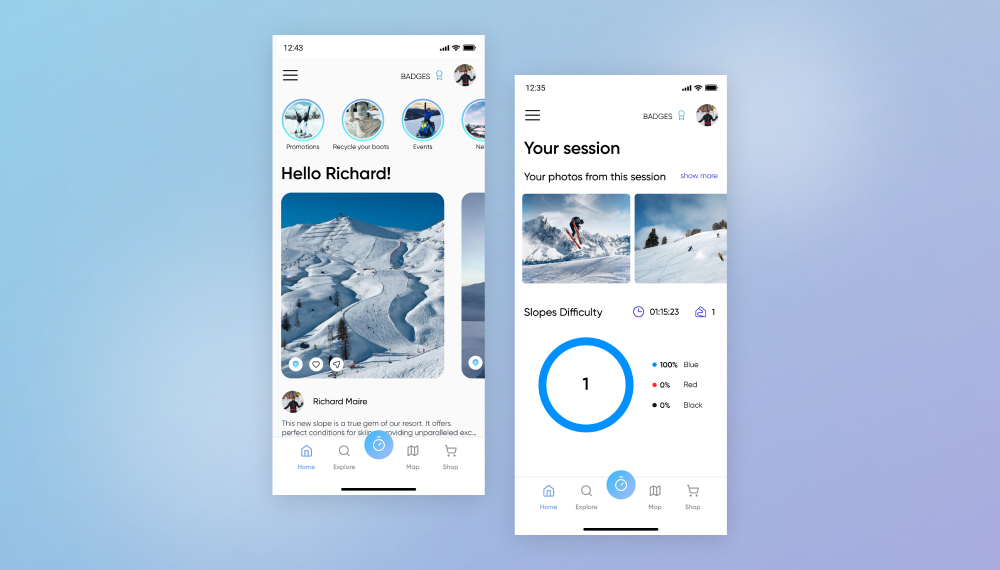
Redesign of a mobile app for ski enthusiasts
Innowise redesigned both iOS and Android versions of a mobile app for exploring a breathtaking mountain range.
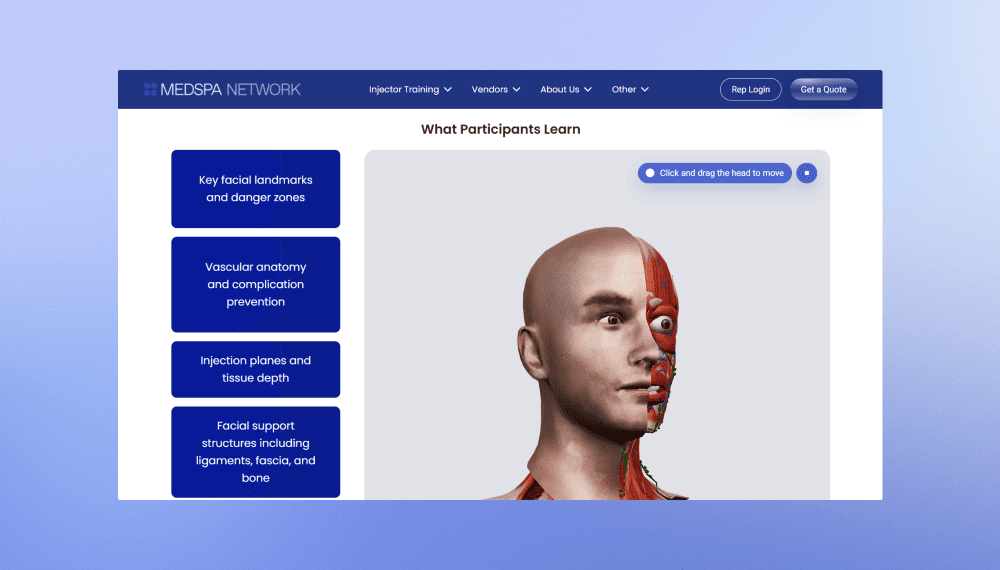
MedSpa Network website redesign and rebuild
Innowise rebuilt MedSpa Network’s website on WordPress, giving its team control over day-to-day content updates.
2 months from kickoff to launch
3-5 leads per week up from 1 per month
View case study
Client review

View case study
Client review logo. Client review
MedSpa Network website redesign and rebuild.
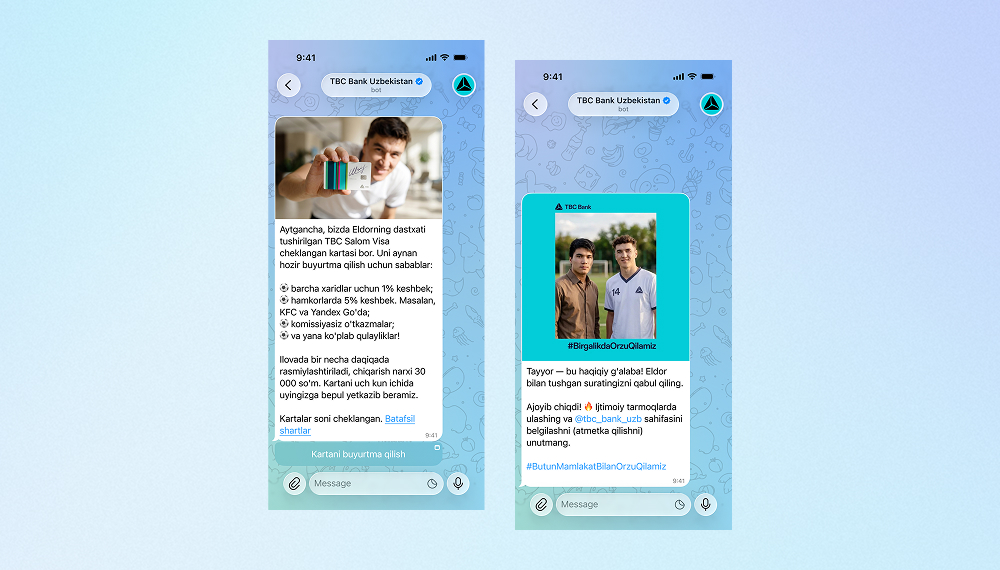
AI bot for TBC Bank marketing campaign
Innowise built a bilingual Telegram bot that generates AI selfies with TBC Bank's football-star brand ambassador.
3,000 users engaged
2 languages supported
View case study
Client review
View case study
Client review logo. Client review
AI Telegram bot..
01 / 01
Close popup icon

Conclusion

The use of AI in sports is definitely a field worth keeping an eye on. We’ve already seen some impressive applications, and I suspect there’s plenty more we haven’t even thought of yet. Of course, not every AI idea will work out, and some will probably turn out to be expensive experiments. But when you look at what’s already happening in sports analytics, training, broadcasting, and fan engagement, it’s hard to doubt that AI has a big future in this industry.

FAQ

AI in professional sports analyzes player performance, studies opponents, improves training plans, monitors injury risks, and supports tactical decisions. Outside the playing field, AI also helps clubs and leagues with scouting, broadcasting, ticket pricing, and fan engagement.


Sports betting platforms use AI to analyze historical results and live match data, estimate probabilities, and adjust odds. Machine learning also helps operators detect unusual betting patterns, identify potential fraud, and manage financial risks.

AI supports Olympic broadcasting, athlete performance analysis, event operations, and digital fan experiences. The International Olympic Committee introduced its Olympic AI Agenda in 2024, outlining how the technology could improve different aspects of the Games, from athlete support to competition management. .

SAOT uses cameras to track players' body positions and the ball during a football match. AI analyzes this information to identify potential offside situations, while connected-ball sensors, where available, help determine when the ball was played. The system alerts video match officials, who review the evidence before confirming the decision.

I wouldn't bet on it, at least not anytime soon. AI is excellent at measuring positions, detecting certain events, and reviewing footage, but interpreting fouls, intent, and complicated game situations is another story. Human referees still have the final say in current AI-assisted officiating systems.

Generative AI can produce match reports, commentary, social media posts, video captions, translations, and personalized sports content. It can also turn live match statistics into readable summaries within seconds. Editors still need to check the facts, especially when content is published automatically.

Athletes can use AI-powered apps and wearables to track performance, analyze technique, and adjust training intensity. For example, a runner can monitor changes in pace, heart rate, and recovery patterns, while a golfer can get feedback on their swing. The idea is to make training more personalized and help coaches spot issues earlier.

Absolutely. You don't need a Premier League budget to use AI. Some of the most accessible AI applications in the sports industry, including video analysis tools, smart fitness apps, and automated match recording, can help smaller teams improve training and track performance. Youth teams should, however, be especially careful with children's personal data and avoid treating AI-generated performance predictions as definitive assessments of young talent.

Start with a problem you'd genuinely like to solve, whether that's spending too much time analyzing match footage, struggling with ticket sales forecasts, or managing thousands of fan inquiries. Check your available data, define what success would look like, and test the idea with a small pilot. If the results make sense technically and financially, you can move toward full-scale implementation.

Show all

Table of contents

Play smarter with AI

    Contact us

    Book a call or fill out the form below and we’ll get back to you once we’ve processed your request.

    Send us a voice message
    Attach documents
    Upload file

    You can attach 1 file up to 2MB. Valid file formats: pdf, jpg, jpeg, png.

    By clicking Send, you consent to Innowise processing your personal data per our Privacy Policy to provide you with relevant information. By submitting your phone number, you agree that we may contact you via voice calls, SMS, and messaging apps. Calling, message, and data rates may apply.

    You can also send us your request
    to contact@innowise.com
    What happens next?
    1

    Once we’ve received and processed your request, we’ll get back to you to detail your project needs and sign an NDA to ensure confidentiality.

    2

    After examining your wants, needs, and expectations, our team will devise a project proposal with the scope of work, team size, time, and cost estimates.

    3

    We’ll arrange a meeting with you to discuss the offer and nail down the details.

    4

    Finally, we’ll sign a contract and start working on your project right away.

    More services we cover

    arrow