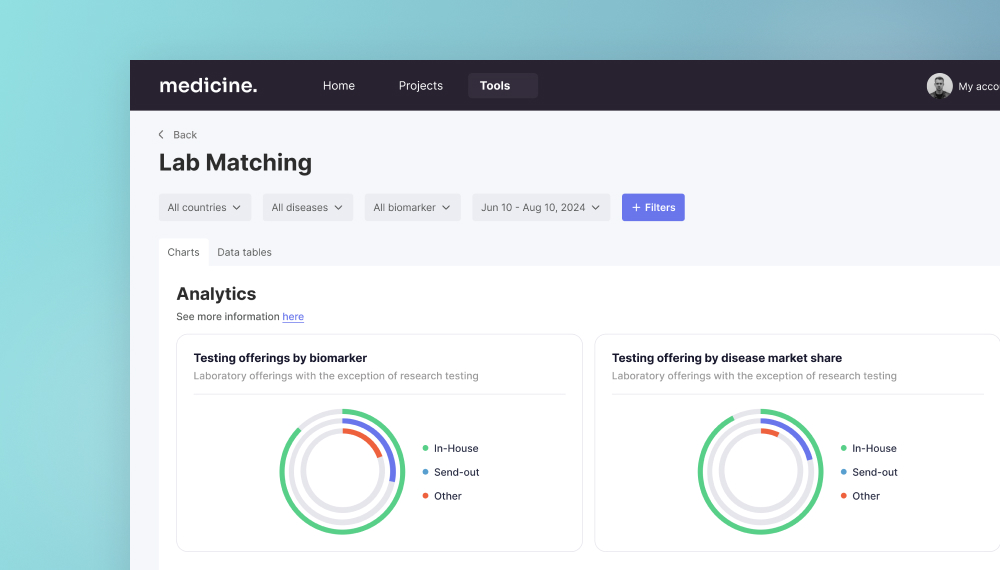

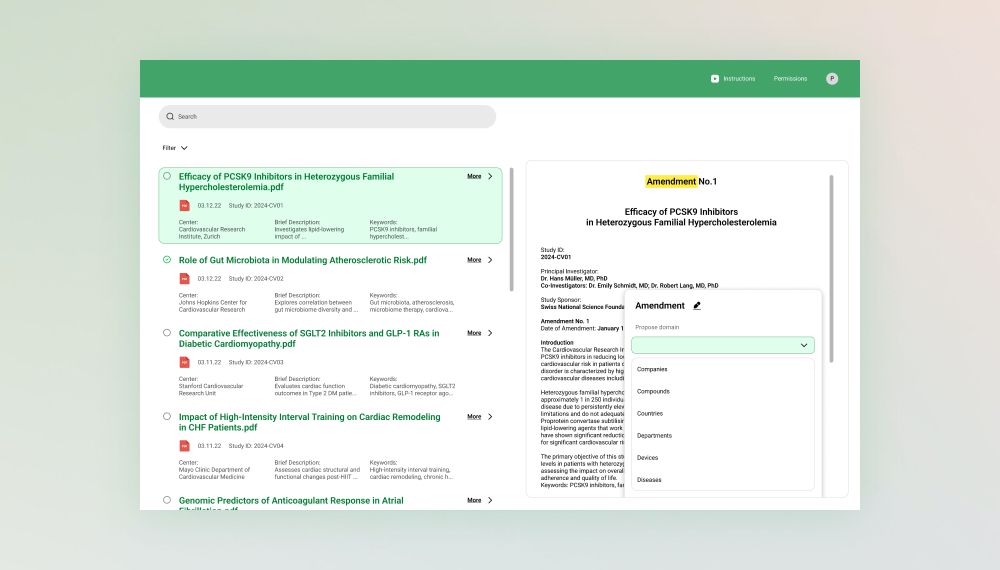
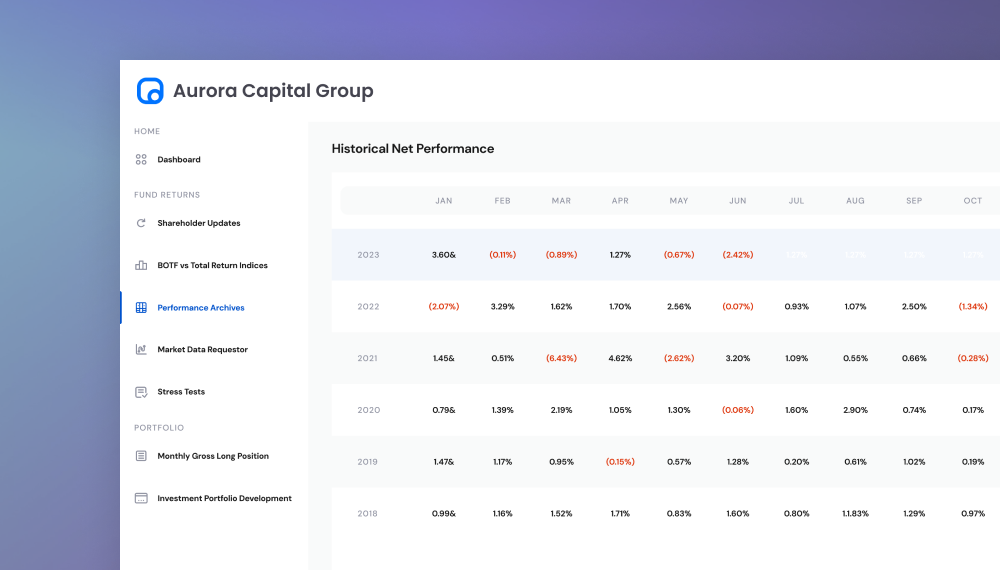




Predictive analytics uses data patterns to estimate future outcomes and support business planning.
Your message has been sent.
We’ll process your request and contact you back as soon as possible.
The form has been successfully submitted.
Please find further information in your mailbox.
Select language
Our predictive data analytics services help you forecast demand and revenue, anticipate risks, and plan ahead with more confidence. You get a better sense of what to expect in the coming months and where your current plans may need adjustments.
Predictive analytics is a form of advanced business analytics that uses data, statistical methods, and ML models to estimate what is likely to happen next. It analyzes historical and current data to identify patterns, then applies those patterns to forecast events such as demand shifts, customer churn, fraud risks, or equipment failures.
What happened before and what is happening now?
What the model sees?
What is likely to happen next?
What the business does about it?
Our consultants review your business goals, available data, and current analytics setup. We help you choose the right use cases, define the data needed, and plan how to develop and utilize the solution.
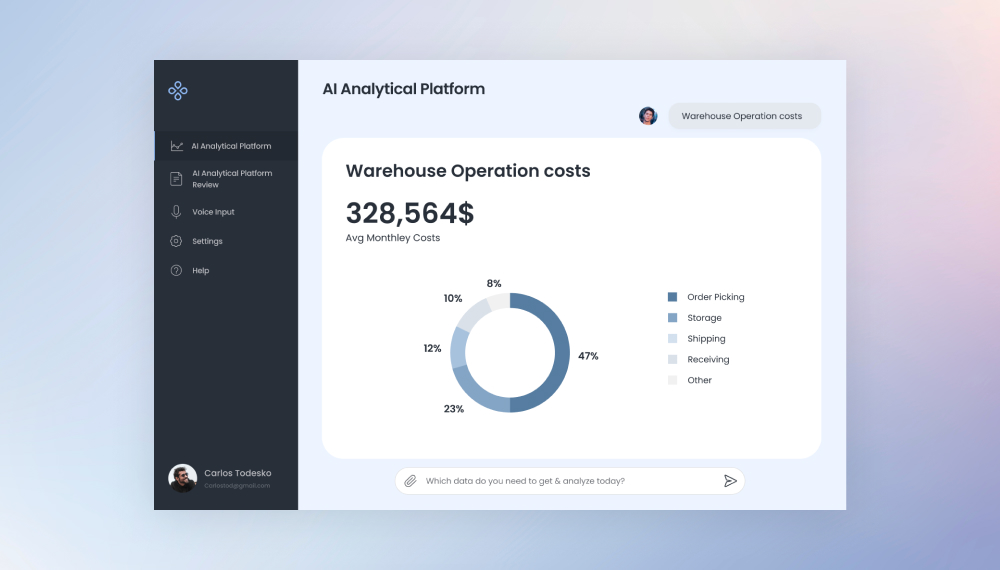
At Innowise, we develop custom predictive analytics software that helps your company analyze business performance, forecast future outcomes, and spot potential risks. Our engineers connect reliable data sources, build predictive capabilities, integrate dashboards for easy result analysis, and integrate the solution with other systems in use.
Our data scientists use your data to design, train, and validate ML models for tasks such as demand forecasting, fraud prediction, risk scoring, and predictive maintenance.
Innowise engineers connect predictive analytics solutions with the systems your teams already use, including ERP, CRM, BI, data platforms, and IoT platforms. This way, your employees can view insights within their existing workflows without switching to new systems.
Our team helps you select and install appropriate predictive analytics software tailored to your data, business processes, and IT environment. We configure the platform, integrate the required data sources, and prepare models and workflows for daily use.
Post-deployment, our team monitors the predictive analytics solution, evaluates its effectiveness, and updates models as new data becomes available. We support data pipelines, integrations, and platform settings so that the solution remains relevant and produces accurate results over time.
Forecast demand based on sales history, seasonality, market signals, and other data. These forecasts can be used to better plan inventory, purchasing, staffing, and production.
Estimate future sales and revenue for products, regions, or customer segments to help your teams plan targets, budgets, and resources with a clear view of what to expect.
Identify customers at risk of churn and understand the causes behind it to refine your retention strategy and take preventive action.
Suggest products, services, or content based on customer behavior, preferences, and past interactions. Personalized offers increase engagement, conversion rates, and cross-sell opportunities.
Forecast the next probable customer action, such as making a purchase, responding to an offer, or becoming less active, to plan the right sales or marketing action.
Use demand, buying behavior, market conditions, and other relevant data to adjust prices and promotions to expected customer response.
Detect unusual transactions, behavior, or data patterns to flag possible fraud or operational issues and reduce potential losses.
Evaluate the probability of payment defaults, claims, supplier failures, or other business risks to prioritize reviews and focus attention where it matters most.
Predict equipment failures using sensor data, maintenance history, and operating conditions to prevent breakdowns, schedule service, and reduce maintenance costs.


Innowise offers a combination of 10+ years in data analytics, 120+ data and AI specialists, and a track record of 120+ completed AI and analytics projects. Our experience spans finance, healthcare, manufacturing, retail, logistics, telecom, and other industries and is backed by recognized quality and security standards such as ISO 9001 and ISO/IEC 27001. We also partner with Microsoft Azure, AWS, Google Cloud, IBM, Databricks, SAP, Salesforce, and other leading technology providers. You can involve us at any stage, whether you are still defining the use case, validating the idea with a PoC, building the solution, or supporting it after launch.


At Innowise, we have a well-tested process for predictive data analytics services, but we never treat it as a rigid set of steps. Each project has its own requirements, and we adapt our approach accordingly.
Our analysts and managers define what the solution should detect and forecast, who will use the results, and which business decisions those predictions should help improve.
Innowise’s data engineers review the available data, its quality, volume, and relevance, and check whether there is enough historical data to support reliable predictions.
Our team tests the idea on a small scale first to see whether the available data can produce useful predictions before moving into full-scale development.
We choose the architecture, data platform, ML tools, and cloud services that fit your existing systems, security requirements, and expected scale.
The engineers build and train the predictive model, then test its accuracy against real business cases and agreed performance metrics.
We develop the predictive analytics solution and integrate it with existing systems, data sources, and business tools.
The team releases the solution into the production environment, verifies that it works with live data and connected systems, and prepares it for regular business use.
We track performance over time, retrain the model when new data changes prediction quality, and support the solution as business conditions or source systems change.
Our team validates, cleans, and prepares data before it reaches the model. Consistency checks help identify gaps, duplicates, and inconsistencies that could affect prediction quality.
Encryption and access controls protect sensitive data and restrict access to authorized users.
Our specialists validate models against agreed business and technical metrics to confirm that predictions are accurate enough for the decisions they support.
Regular monitoring of model performance, data drift, and model decay help detect changes that may affect prediction quality in time.
As new data becomes available, our specialists retrain and update models to account for changes in patterns and business conditions.
Our approach accounts for relevant regulatory requirements, with version control and documentation keeping track of model changes.

We help you uncover those patterns and use them to plan ahead, spot risks earlier, and make informed decisions.

Predictive analytics enables marketing teams to anticipate customer reactions before campaigns and offers go live. Models can use behavioral, transactional, and engagement data to identify promising audiences and anticipate future customer actions.

Financial organizations can use predictive analytics to estimate credit risk, detect suspicious activity, forecast cash flow, and anticipate changes in customer behavior. These insights help them adjust decisions before those financial results are affected.

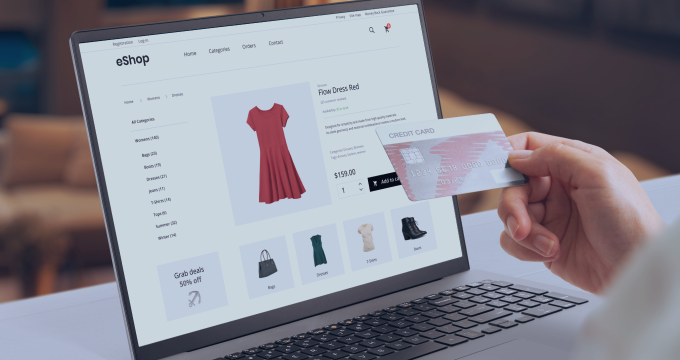
Online retailers can use sales history, browsing behavior, purchase patterns, and seasonal trends to forecast product demand, predict customer intent, and identify changes in buying behavior.

Production data can reveal early signs of equipment failures, delays, or quality problems. Predictive models use these signals to identify where issues are likely to happen.

Predictive analytics can help clinicians and healthcare providers flag patients at higher risk of readmission or deterioration and forecast demand for beds, staff, and services.

Delays, changing demand, traffic, and capacity constraints all affect delivery performance. Predictive analytics helps logistics teams anticipate these changes before they disrupt delivery schedules.

Predictive analytics can help telecom providers estimate churn risk, forecast network load, and detect service issues before they spread across a customer base.

Using predictive analytics tools, energy companies forecast consumption, generation, equipment performance, and price changes.

Advanced tools allow real estate companies to forecast property prices, rental demand, occupancy, and market activity based on historical and current data, thereby providing a clear view of where the market is heading.

Predictive analytics uses data patterns to estimate future outcomes and support business planning.
Data analytics and BI mainly explain what has already happened and what is happening now. Predictive analytics estimates what is likely to happen next.
The required data depends on the predictions you want to get. For demand forecasting, for instance, you need past sales, seasonality, pricing, and promotion data.
The more past data the model has, the more reliably it can recognize patterns. For seasonal forecasting, that usually means data for multiple complete seasons, but other use cases might need a shorter or longer history.
Predictive models can perform very well, but results vary from project to project. It all depends on the data you have, the complexity of the prediction task, and the stability of the underlying conditions.
Yes. As part of our predictive analytics & forecasting services, we integrate predictive models and analytics solutions with ERP, CRM, BI, data platforms, IoT systems, and other business software.
Timelines depend on the scope of predictive data analytics services. A small PoC may take a few weeks, while a production-ready solution usually takes several months. Factors that influence the overall duration include data readiness, model complexity, the number of integrations, and the amount of custom features required.
A small PoC can start from $10,000 to $20,000. A custom production-ready solution is usually $50,000–150,000$. At our predictive analytics software company, we can provide a more precise estimate once we have defined the use case, data availability, and expected solution scope.
After launch, we compare the model’s predictions with actual results to see whether it is still performing well. If accuracy starts to drop, we update the model with newer data, retest it, and then release it back into use.
Our predictive analytics consulting company offers three main engagement models: IT staff augmentation, a dedicated team, or full-cycle project delivery.
We protect your business data with encryption, role-based access, secure data storage, and controlled system connections. Our engineers always follow secure development practices and test the solution for vulnerabilities before release.
Your message has been sent.
We’ll process your request and contact you back as soon as possible.