







RFID for hospitals: applications, benefits, and implementation

Nov 13, 2026 16 min read
Aleh Yafimau, Healthcare and MedTech Delivery Manager..
Healthcare IT Consultant
Verified expert
Every article at Innowise is created by authors with real-world experience. They understand the topic beyond theory and bring insight from real projects.
19+ years of experience
Verified expert
19+ years of experience
Aleh bridges the gap between clinical needs and engineering execution. He applies deep domain knowledge to ensure MedTech systems are not just compliant, but reliable enough to make a measurable impact in real-world healthcare.
Expertise
Healthcare IT Medtech Algorithms
Let's talk

Key takeaways

  • RFID for hospitals helps staff locate tagged equipment and check medication stock with less manual work. RFID-enabled wristbands also support patient identification.
  • Location data is most useful when linked to equipment status. Staff need to know whether a device is clean and ready to use before collecting it.
  • Hospital RFID tags serve different purposes. Passive tags suit identification and inventory checks, while active tags are often used in RTLS systems for continuous equipment tracking.
  • RFID performance depends on reader coverage and the hospital environment. Reliable implementation also requires durable tags, secure handling of patient data, and integration with existing systems.
  • Medical RFID costs depend on tracking coverage and required functionality. Hardware, custom development, and ongoing maintenance all affect the final budget.
  • A pilot in one ward or pharmacy helps measure improvements in search time and inventory accuracy against current workflows before committing to a wider rollout.
Summarize article with AI

Even if a hospital has enough infusion pumps or telemetry monitors, nurses often spend hours looking for an available unit. Each search adds to costs and leaves equipment underused. RFID for hospitals helps solve this problem. Electronic tags are attached to mobile medical devices, and fixed or handheld readers detect them when they come within range. The system keeps track of their last known locations and connects with maintenance databases, so staff can check if a nearby device is clean and ready for patients.

RFID also helps hospitals track medication stock and identify patients through tagged wristbands, which reduces medical errors and keeps patients safer. Below, I’ll cover how these applications work and what to consider before starting.

What is RFID in healthcare

RFID stands for radio frequency identification. Hospitals use it to identify equipment, medication packs, and patients wearing tagged wristbands. A reader detects a tag’s unique ID through radio signals, and software matches it to the relevant hospital record.

Unlike barcode scanning, RFID technology in healthcare doesn’t require a direct view of each label. Readers can detect multiple tags at once, helping staff check stock without scanning every item individually.

Hospital RFID tags generally fall into two main categories:

  • Passive tags draw power from the reader’s signal. They generally cost less and suit identification and inventory checks.
  • Active tags use their own power source, usually a battery, to transmit over longer distances. They support tracking valuable equipment as it moves around the hospital.
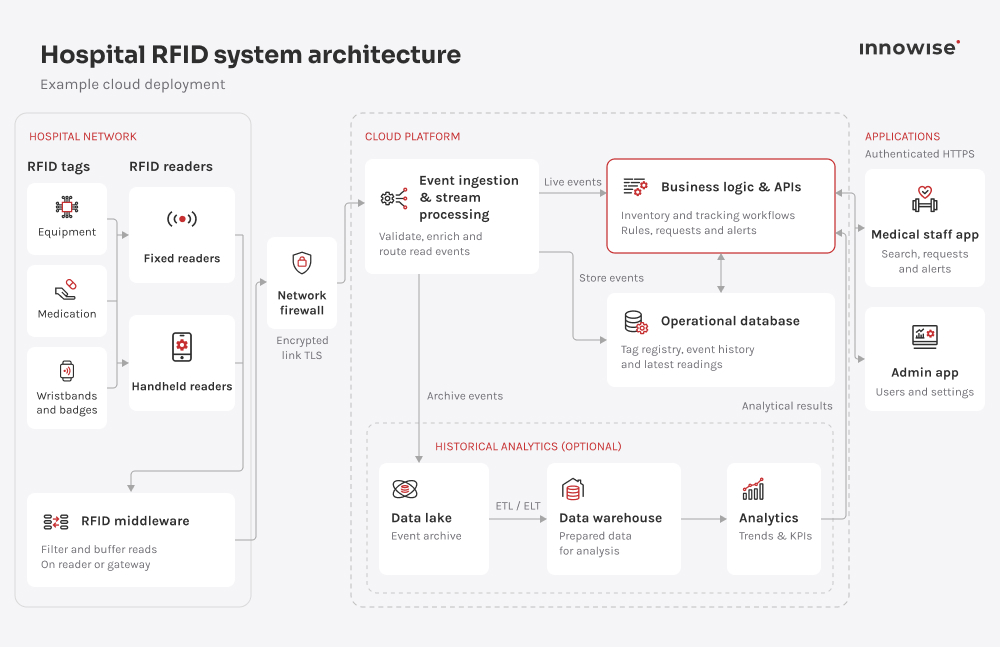
Hospital RFID architecture connecting readers and cloud applications.

Hospital RFID tracking market overview

According to Fortune Business Insights, the global healthcare RFID market was valued at $6.57 billion in 2025 and is expected to reach $7.76 billion in 2026. By 2034, it is projected to grow to $29.39 billion, with a CAGR of 18.12% from 2026 to 2034. The market covers a range of applications, including patient identification, pharmaceutical and blood tracking, and RFID hospital asset tracking.

$7.76 billion

Estimated market size in 2026

$29.39 billion

Projected market size by 2034

18.12%

Forecast annual growth rate (CAGR), 2026–2034

How RFID works in hospitals

RFID links signals from tagged equipment to records in hospital software. Here, I’ll explain the process using an infusion pump as an example, showing how its movement from the equipment store to a ward becomes an update that staff can use.

01 Arrow icon.
Attach and register the RFID tag

Staff attach a suitable tag to the pump and link its ID to the pump's equipment record. Every subsequent reading relies on that link, so the team checks it before tracking starts. Otherwise, the system reads the tag correctly and updates the wrong device’s record.

02 Arrow icon.
Capture the signal

When the pump comes within range, a reader detects its tag. The system records which tag was detected, when, and by which reader. A reader at the store doorway provides a detection point. Ongoing location updates require a tracking setup that covers every area the pump moves through.

03 Arrow icon.
Process the readings

A reader detects the same tag several times as the pump passes through a doorway. Software filters repeated readings and applies rules to interpret the movement. Distinguishing an entry from an exit also depends on how the readers are installed and configured.

04 Arrow icon.
Store the relevant events

The application saves the pump’s latest detected location and its movement history. Staff can check where it was last seen, along with the time of that reading. Earlier events remain available for reporting, subject to the hospital's data retention rules.

05 Arrow icon.
Apply rules and analyze activity

The hospital sets a minimum stock level for pumps in the equipment store. When the tracked count falls below it, a configured rule notifies the equipment team to restock. Historical records show managers how equipment moves and how often it is used over time.

06
Update hospital systems

An integration brings the pump's location into the hospital’s equipment management system, next to its maintenance information. Staff review both when looking for a device. The integration matches records for the same pump and follows agreed rules for which system updates which data.

Arrow icon.Arrow icon.
01 Attach and register the RFID tag

Staff attach a suitable tag to the pump and link its ID to the pump's equipment record. Every subsequent reading relies on that link, so the team checks it before tracking starts. Otherwise, the system reads the tag correctly and updates the wrong device’s record.

Arrow icon.Arrow icon.
02 Capture the signal

When the pump comes within range, a reader detects its tag. The system records which tag was detected, when, and by which reader. A reader at the store doorway provides a detection point. Ongoing location updates require a tracking setup that covers every area the pump moves through.

Arrow icon.Arrow icon.
03 Process the readings

A reader detects the same tag several times as the pump passes through a doorway. Software filters repeated readings and applies rules to interpret the movement. Distinguishing an entry from an exit also depends on how the readers are installed and configured.

Arrow icon.Arrow icon.
04 Store the relevant events

The application saves the pump’s latest detected location and its movement history. Staff can check where it was last seen, along with the time of that reading. Earlier events remain available for reporting, subject to the hospital's data retention rules.

Arrow icon.Arrow icon.
05 Apply rules and analyze activity

The hospital sets a minimum stock level for pumps in the equipment store. When the tracked count falls below it, a configured rule notifies the equipment team to restock. Historical records show managers how equipment moves and how often it is used over time.

Arrow icon.Arrow icon.
06 Update hospital systems

An integration brings the pump's location into the hospital’s equipment management system, next to its maintenance information. Staff review both when looking for a device. The integration matches records for the same pump and follows agreed rules for which system updates which data.

Make medication stock checks faster and more accurate

RFID applications in healthcare

Hospitals use RFID technology for many tasks, such as checking medication inventory and tracking equipment. Below, I explain how these applications work and support everyday hospital operations.

  • Asset tracking
  • Inventory
  • Patient tracking
  • Staff location
  • Visitor tracking
  • Patient flow

RFID hospital asset tracking

With RFID asset tracking in healthcare, staff can find tagged pumps or wheelchairs and see where they were last detected. The system also shows cleaning and maintenance records next to each device’s location, making it easier to pick one that is ready to use. Alerts can warn staff if equipment passes through a monitored exit.

RFID-based hospital asset tracking for locating medical equipment and monitoring its availability.

Medication inventory tracking

When a medication tray returns to the pharmacy, an RFID scan can show what is missing and which items are nearing expiry. The software checks the tagged contents against the approved stock list, so staff know what needs replacing. RFID-enabled cabinets can also record stock movements and keep current quantities available for replenishment planning.

RFID medication inventory tracking for managing hospital drug stocks and monitoring supplies.

RFID patient tracking

RFID patient tracking wristbands help staff identify a patient at the bedside or in another care area equipped with a reader. If the hospital also needs to track where patients are, an RTLS can show their location within covered areas. For infants or patients at risk of wandering, dedicated tags can trigger an alert when they approach or pass through a monitored exit.

RFID patient wristband scanning for patient identification and tracking throughout hospital care.

Staff location tracking

RTLS badges can show where staff are within the hospital. When connected to a nurse call system, this location data can help route a patient call to a nearby caregiver. Some badges also have an emergency button, so a staff member can call for help and automatically share their location. Hospitals can later review response times and movement data to see where delays occur.

RFID-enabled staff badges for tracking healthcare personnel locations and coordinating hospital workflows.

Visitor tracking

Visitors can receive temporary RFID badges when they enter the hospital. The badges can be linked to access rules, so visitors can access only approved areas. If the hospital uses RTLS, staff can also see where a badge has been detected and review its movement history when needed.

RFID visitor badges for monitoring hospital access and managing visitor movements across facilities.

Patient flow monitoring

RFID technology in healthcare tracks when patients arrive in a department, enter a treatment room, and leave, as long as those areas have the necessary reader coverage. These timestamps help hospitals see how long patients wait between stages and where delays tend to occur. If patients regularly wait too long for a room or treatment, managers can check whether staffing or scheduling is causing the hold-up and make changes where needed.

RFID patient flow monitoring tracks hospital arrivals, treatment room visits, and waiting times to identify delays.

Core capabilities of healthcare RFID solutions

Below, I explain the core capabilities I’d look for in a hospital RFID solution. For each one, I describe what staff can do with it and what to check when comparing systems.

Real-time location tracking.

Real-time location tracking

Location updates include timestamps, so staff can see how recent they are. When a tag is no longer detected, the system marks its last known position as out of date.

Asset and patient identification.

Asset and patient identification

Each tag links to an asset or patient record. Rules for replacing wristbands and reassigning reusable equipment tags help staff keep those records correctly matched.

Inventory visibility.

Inventory visibility

Stock counts show what each storage area has and where supplies are running low. Medication batch numbers and expiry dates help teams plan restocking and find recalled stock.

Equipment status monitoring.

Equipment status monitoring

Staff need to know whether an ECG machine is ready to use. Equipment records bring together cleaning and maintenance updates entered by staff or sent by connected systems.

Alerts and notifications.

Alerts and notifications

Low-stock alerts reach the person responsible for replenishment. Urgent events have escalation rules and a record of the response, so teams can see what happened next.

Tracking history.

Tracking history

Authorized staff can trace missing equipment through past tag readings and assignments. Gaps in reader coverage remain visible, showing where the record is incomplete.

Analytics and reporting.

Analytics and reporting

Reports highlight equipment shortages and idle devices across wards. By drawing on usage and status records, they help managers see how much equipment is actually used.

Benefits of RFID in healthcare

Faster equipment search

One of the biggest benefits of RFID in healthcare is spending less time looking for equipment. Instead of calling other wards or walking the corridors looking for a spare device, your staff can check its last detected location and see whether it’s clean and available before heading out to collect it.

Hospital teams see where shared equipment is across the areas covered by readers. For example, they can check which wards have tagged monitors and which devices haven’t been detected recently. That gives them a clearer picture of what is accounted for and what needs locating.

Medical RFID helps hospitals reduce the risk of equipment disappearing unnoticed. Alerts at monitored exits flag unexpected movement, giving staff a chance to investigate. If a device goes missing, its location history helps track it down before the hospital pays for a replacement.

With RFID, your team checks whether the medicines and supplies on the shelf match the hospital’s stock records. A scan highlights discrepancies for staff to investigate and correct, giving purchasing teams more accurate quantities to work with when ordering supplies.

When staff move equipment to another ward, they don’t have to record every transfer by hand. RFID readers detect the equipment as it moves through covered areas, and the system updates its last known location. That saves time on spreadsheets and logbooks, although missed scans still need a manual check.

Buying more equipment won’t solve a shortage if devices are sitting idle in another ward. RFID for medical devices helps staff locate those devices and check their availability, so hospitals can make better use of what they already own and avoid unnecessary rentals or purchases.

If a nurse picks up medication intended for another patient, RFID helps catch the mix-up before the dose is given. Staff scan the wristband and tagged medication, and the connected system checks the patient and medication details against the prescription. If there’s a mismatch, the nurse checks the records and confirms the correct medication before proceeding.

RFID helps hospitals see where patients spend too long waiting for tests, treatment, or transfers. Readers record when patients enter and leave monitored areas. Combined with care records, these timestamps help managers identify recurring delays and check whether changes to schedules reduce waiting times.

Track patient movement with privacy built into the system

RFID projects for healthcare

MedSpa Network website redesign and rebuild
Innowise rebuilt MedSpa Network’s website on WordPress, giving its team control over day-to-day content updates.
2 months from kickoff to launch
3-5 leads per week up from 1 per month
View case study
Client review

View case study
Client review logo. Client review

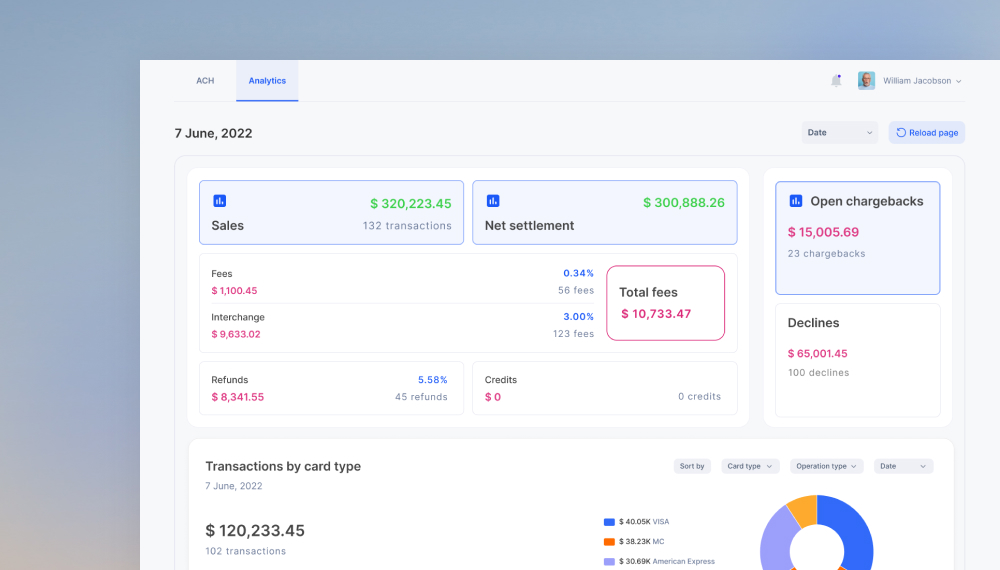
MedSpa Network website redesign and rebuild.
Breast cancer detection software development
Innowise implemented a federated learning framework that enabled 3 clinics to collaboratively train a breast cancer detection model.
<68.6% improvement in segmentation AP
10,500 mammography images in an imaging repository
iOS and VR meditation app suite development
We built a set of meditation apps for Grožio Planeta UAB, helping users practice guided sessions on iOS and in VR.
100 in-app guided meditations
7 languages supported
View case study
Client review
View case study
Client review logo. Client review
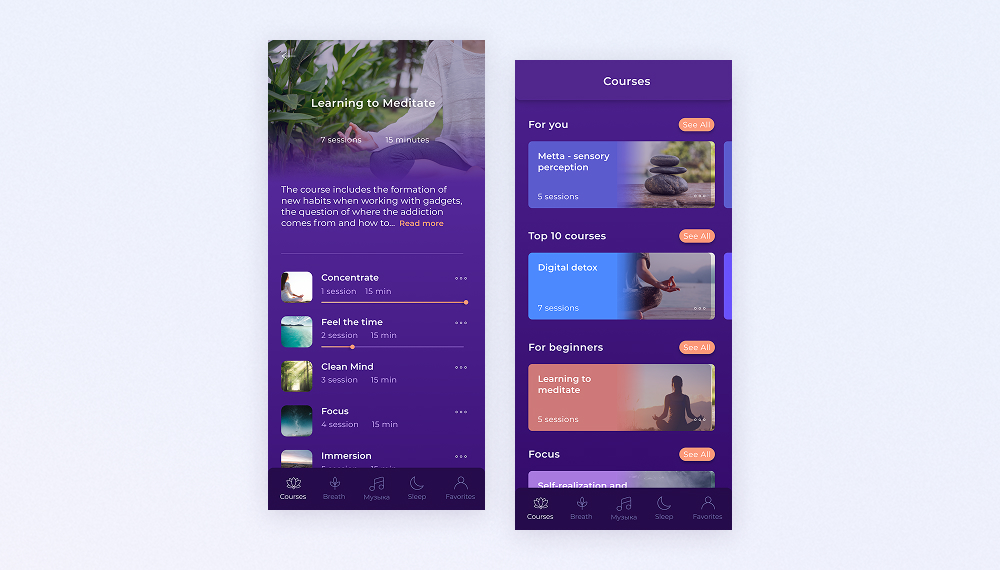
iOS and VR meditation app suite for Grožio Planeta UAB..
Designing a FHIR data integration gateway
Innowise upgraded the client’s proprietary desktop app with an FHIR-based integration gateway to connect their diagnostic software with EHR systems.
3 months to complete all integrations
Rewriting of the RFID tag data decoding module
Innowise completely overhauled the RFID tag data decoding module for Telea Medical, an EU-based medical device manufacturer.
4 weeks for a full module rewrite
100% accurate RFID data processing
View case study
Client review

View case study
Client review logo. Client review

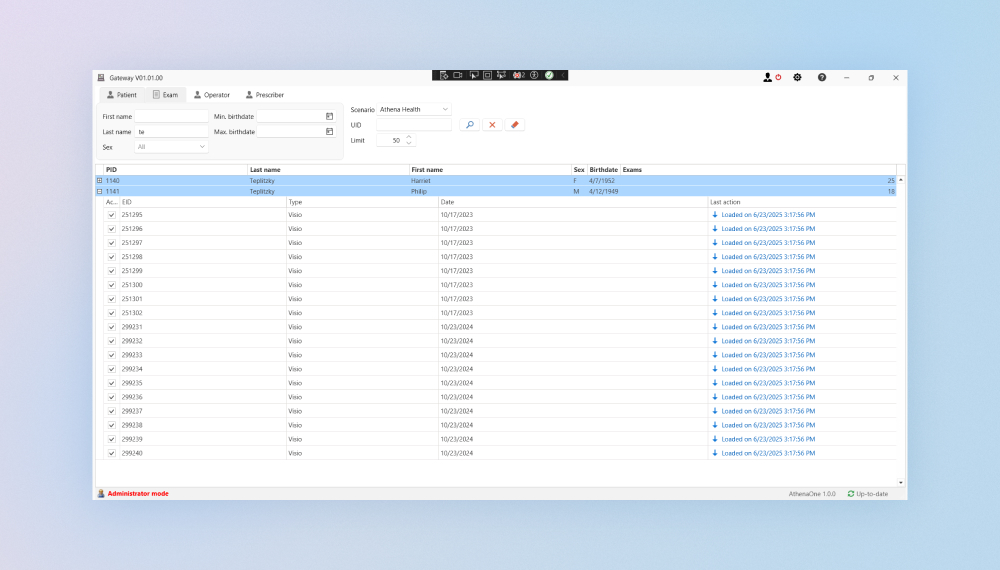
Rewriting of the RFID tag data decoding module.
Gym membership app support & evolution
We helped upgrade the client’s gym membership management app, contributing to growing customer satisfaction, brand loyalty, and user retention.
Radiation exposure monitoring app upgrade
Innowise upgraded a radiation exposure monitoring app, improving the response time and laying the groundwork for the software functionality scale-up.
Monolithic to microservices migration
Innowise successfully migrated the client’s platform from a monolithic architecture to microservices, boosting scalability and performance.
01 / 01
Close popup icon

RFID implementation challenges and solutions

Implementing RFID in a hospital takes more than installing tags and readers. The system should match the hospital’s daily routines and keep collected information secure. Here are seven challenges I’d prepare for early, along with helpful ways to address them.

ChallengeWhat it looks likeHow to address it
Data security and patient privacyUnauthorized readers may be able to detect tag signals, and patient movement records contain sensitive informationStore only a unique identifier on patient tags and keep clinical data in the secure hospital system. Apply role-based access, encrypt stored data and network traffic, review tag-to-reader security, and check applicable HIPAA/GDPR requirements
RFID interference and environmental limitationsMetal surfaces and liquids affect read performance. Nearby radio systems and medical equipment also need compatibility checksTest frequencies and reader placement on site. Use suitable tags for metal surfaces and check RFID compatibility with medical equipment during the pilot
Tag durabilityTags wear out or detach when their materials and fixings are unsuitable for cleaning, sterilization, or handlingChoose tags and attachments that withstand the hospital’s cleaning or sterilization processes, then test them through repeated cycles
Lost or damaged tagsA tag comes off or stops responding, so the system stops receiving updates for that itemCheck tags during cleaning or maintenance. Replace faulty tags and link the new tag to the same asset record
Integration with hospital softwareRFID data stays in a separate application, leaving staff to reconcile it with hospital recordsIntegrate RFID data using HL7 v2, FHIR, vendor APIs, or middleware. Map tag IDs to hospital records and test the full workflow
Staff adoption and trainingThe workflow adds steps that are easy to miss in a busy ward, and staff are unsure who should respond to alertsPilot the workflow with clinical staff, remove unnecessary steps, assign responsibility for alerts, and train teams on their tasks
System reliability and backup processesNetwork outages delay updates, and a failed reader stops capturing eventsMonitor failures and test recovery. Use buffering or backup reader coverage where needed and keep a documented manual fallback
Show more

RFID implementation costs

Custom software to track hospital equipment can cost $200,000 to $250,000 or more. When planning the full project budget, I’d also include hardware and the work needed to integrate RFID with the hospital’s existing systems. Training and post-launch support should be included in the calculation as well. Below, I explain the main cost drivers and what influences each one.

Cost driverWhat affects the price
Functionality scopeThe number of tagged items, departments, and floors. Patient or staff tracking adds different hardware and workflows.
Feature complexityBasic location display costs less than alerts, workflow rules, analytics, and reporting. Each added feature requires additional configuration and testing time.
Ready-made vs. custom componentsReady-made software typically has lower upfront costs but comes with license or subscription fees. Custom development can accommodate unusual workflows and integrations with hospital systems, but costs more upfront.
Active and passive RFID tagsPassive labels cost less per unit. Active tags cost more, need battery maintenance, and rely on compatible RTLS infrastructure for continuous location updates.
Tag embeddingProtective housings, on-metal designs, and attachment methods add to the tag price. Tags on instruments that undergo sterilization need to survive the hospital's sterilization process.
RFID readers and their setupBuilding layout, coverage, location accuracy, and network infrastructure set the hardware needs. Installation, power, cabling, and on-site testing add to the cost.
Cloud and data processing costsCosts depend on cloud or local infrastructure, processing load, and data retention. Hosting and storage carry costs beyond the software subscription.
Training, support, and maintenanceRollout costs include staff training and registering tagged items. Ongoing expenses cover software updates, system monitoring, hardware servicing, and replacing damaged tags or batteries.
Show more

Make equipment availability easier to check

RFID consulting and development services

  • Consulting
  • Requirements
  • Features
  • Architecture
  • Integrations
  • Tech selection
  • Estimation
  • Build & rollout

RFID consulting

Our team looks at where your staff lose time, such as searching for equipment or checking medication stock. Then we assess which tasks RFID could improve and how it would fit into your existing workflows. Based on that, we recommend where to start and what to test in a pilot.

Pharmacist checks medication stock on a tablet in front of hospital pharmacy shelves.

Requirements definition

Our analysts work with hospital staff to specify which items or people need tracking and which areas need coverage. They document the required location accuracy and update frequency, so the hospital can check the delivered system against agreed requirements.

Doctor in protective gown and blue gloves uses a smartphone to coordinate clinical tasks.

Functionality planning

The Innowise team helps you choose which features to build first within your budget. Equipment search might be the priority, with usage reports added later. For each feature, we describe how staff will use it, including what a search should show and who should receive a shortage alert.

Project team reviews charts and documents at a meeting table while planning system features.

Architecture design

Our architects design how tag readings reach hospital applications, including how data is processed and stored along the way. We define where the software runs and how data is protected, while accounting for interrupted connections and expansion to more departments.

Network of connected cloud nodes illustrating data flow between integrated platforms.

Integration planning

We plan how RFID will connect to your EHR or computerized maintenance management system, based on the interfaces each platform supports. Our engineers map tag IDs to existing records and define how location updates reach the correct patient encounter or equipment record.

Clinician and nurse review patient records in an EHR system on a desktop monitor.

Technology selection

We help you choose the right software for your RFID solution, such as tools to process reader data and store tracking records. Our experts check if these options work well with your RFID hardware and hospital systems, and recommend whether to use ready-made components or opt for custom development.

Digital padlock icons on server hardware representing network and data security.

Cost and ROI estimation

Before you invest in healthcare RFID, Innowise helps you see whether it will pay off. We estimate setup and maintenance costs, then assess potential savings on equipment rentals, replacements, and staff time. A pilot helps check whether those estimates hold up.

Finance specialist calculates project costs on a calculator next to a laptop and budget reports.

Development and implementation

Our developers build the software and connect it to the selected hardware and systems. We test the complete workflow in a pilot, work with your teams to resolve issues, and help roll out the solution across departments. Our experts also provide staff training and post-launch maintenance and technical assistance.

Software engineer writes code at a multi-monitor workstation with system dashboards.
An RFID tag may be detected reliably in one ward and missed in another. Metal equipment, liquids, and building materials can affect the signal. That's why we test coverage in the actual hospital environment and adjust tag selection and reader placement. Otherwise, equipment may move while the system still shows its previous location.
Eugene Govor, Head of Embedded and C++.
Eugene Govor
Head of Embedded & C++

Conclusion

Healthcare RFID can save hospital staff time and help teams get more out of the equipment they already have. But reliable readings are only part of the job. Staff also need accurate, up-to-date information they can use in their daily work. That’s why I’d recommend starting with a focused pilot, measuring the results, and addressing any problems before expanding across the hospital.

If you’re considering RFID solutions for healthcare, our specialists at Innowise’s Healthcare & Pharma IT Hub can help you plan, develop, and integrate an RFID solution into your existing systems, taking healthcare data security requirements into account.

FAQ

Hospitals use healthcare RFID to locate medical equipment and keep track of supplies. Staff can find where a pump was last detected or check a medication tray for missing or expired items. RFID wristbands can also link patients to their records, while systems configured for location tracking help teams monitor movement between departments.

RFID uses radio waves to identify and track equipment, medications, patients, and staff without a direct line of sight. A tag consists of a microchip and an antenna, with the chip storing a unique ID. It can be attached to an asset, wristband, or package. Readers detect the tag and send its ID to software that links it to hospital databases.


Hospital RFID tags are small devices containing a chip and an antenna that store unique IDs. They attach to equipment, wristbands, staff badges, or medication packaging, and nearby RFID readers detect them.

The main difference between active and passive hospital RFID tags is their power source. Passive tags have no battery and respond when a reader powers them. They are generally smaller and cheaper but work over shorter distances. Active tags have their own battery and transmit over a longer range, which makes them better suited to ongoing tracking of high-value equipment.

RFID for hospitals supports patient safety by helping staff check patient identity and spot problems with medication stock. A wristband scan retrieves the linked patient record, while software can flag missing or expired medicines in a tagged tray. These checks complement the hospital’s standard identification and medication procedures.

Hospital equipment RFID helps staff find assets and track their movement. You can search for a tagged pump or wheelchair and see its latest detected location. When linked to maintenance and availability records, the system also shows whether a device is ready to use or due for servicing, helping teams manage equipment shared across departments.

RFID helps hospital pharmacies track medication stock and check that emergency trays contain the right medicines. A reader scans the tagged items, and the software flags missing or expired stock. Batch information linked to the tags also helps staff locate medicines affected by a recall.

The main challenges of RFID implementation in hospitals are system integration, privacy, radio interference, and tag durability. Staff also need clear procedures for handling tags and responding to alerts. At Innowise, we design the integration setup, run a pilot, and test how RFID fits into your hospital systems before a wider rollout.

Show all

Table of contents

Ready to bring RFID into your hospital?

    Contact us

    Book a call or fill out the form below and we’ll get back to you once we’ve processed your request.

    Send us a voice message
    Attach documents
    Upload file

    You can attach 1 file up to 2MB. Valid file formats: pdf, jpg, jpeg, png.

    By clicking Send, you consent to Innowise processing your personal data per our Privacy Policy to provide you with relevant information. By submitting your phone number, you agree that we may contact you via voice calls, SMS, and messaging apps. Calling, message, and data rates may apply.

    You can also send us your request
    to contact@innowise.com
    What happens next?
    1

    Once we’ve received and processed your request, we’ll get back to you to detail your project needs and sign an NDA to ensure confidentiality.

    2

    After examining your wants, needs, and expectations, our team will devise a project proposal with the scope of work, team size, time, and cost estimates.

    3

    We’ll arrange a meeting with you to discuss the offer and nail down the details.

    4

    Finally, we’ll sign a contract and start working on your project right away.

    More services we cover

    arrow