



Web
Mobile
Back end
Data
Cloud
Video & messaging
DevOps
The form has been successfully submitted.
Please find further information in your mailbox.
Aleh Yafimau
Roman Sen
Select language
Aleh Yafimau
Roman Sen
Innowise develops your doctor appointment app idea into a practical software solution that fits healthcare workflows like a glove. Appointment management apps we deliver help cut no-shows, simplify scheduling, and lower admin workload.
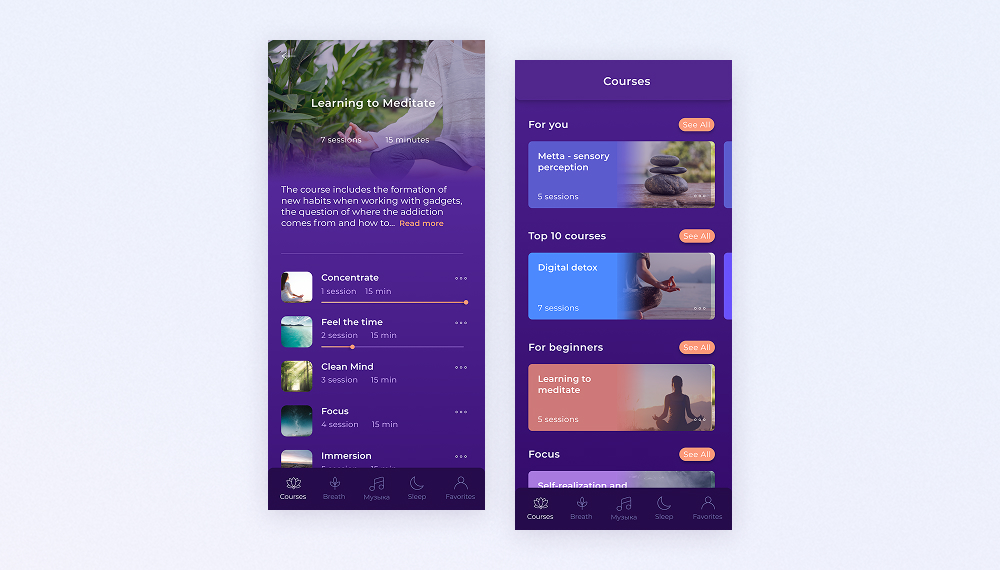
Arguably the most important part of any appointment scheduling solution, the patient interface should be easy to use and cover all the basics. Only this way will you see the actual benefits from a scheduling app because people will actually use it, instead of calling up the clinic as they used to. Here are the features you need.
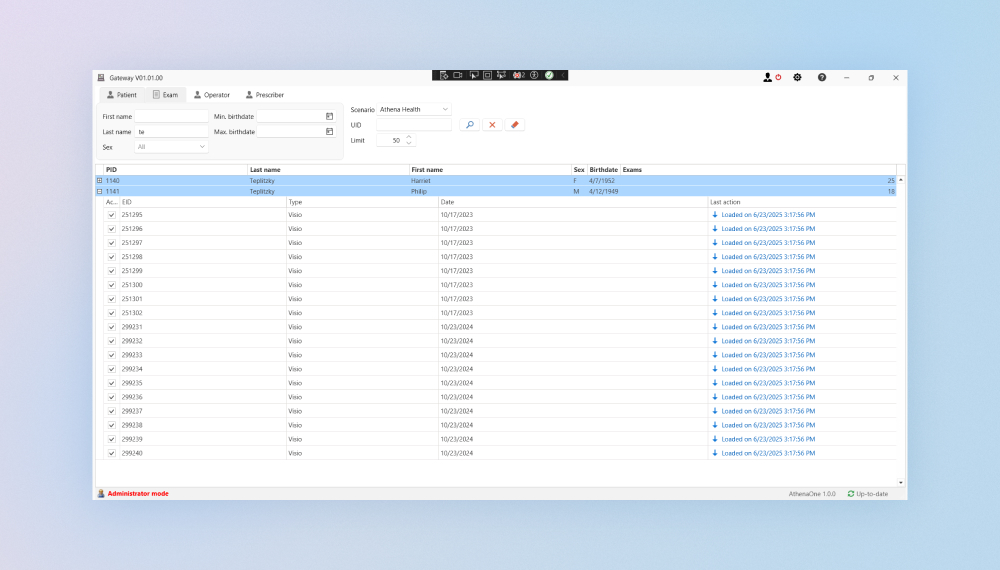
Doctor portals are usually plainer in comparison, and it’s only natural: medical professionals have to juggle multiple systems at once, on top of the actual patient care. So the goal here is to aggregate only the necessary information and functionality. These are the features that Innowise recommends adding.
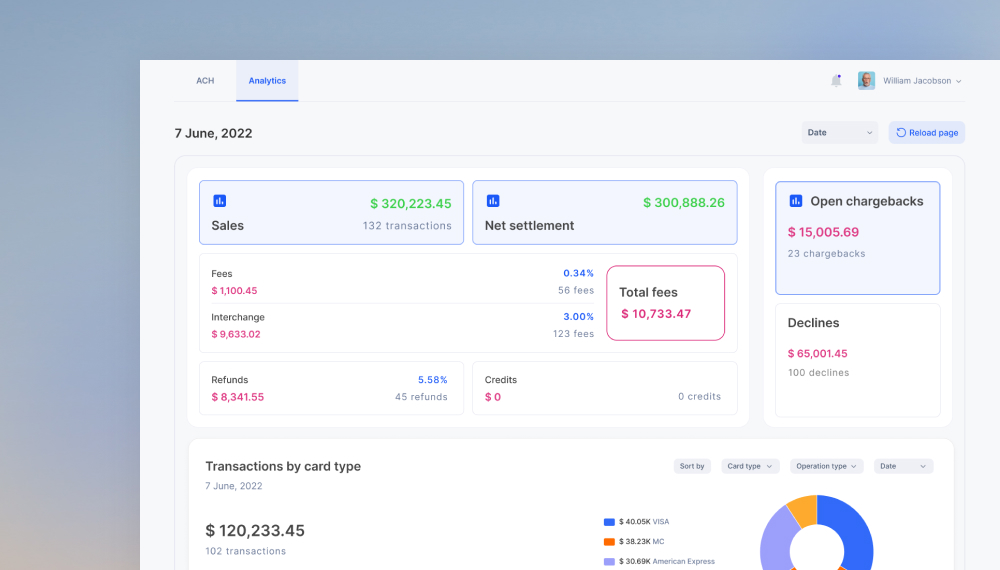
Hidden from the end user, this panel is used by the administrative staff to keep track of the appointments and make sure the whole process runs like a well-oiled machine. Based on Innowise’s experience, these features are non-negotiable when we talk about an admin panel for a doctor appointment app.
Make appointment scheduling super easy: an integrated smart chatbot will suggest convenient time slots to the patient and remind them about the booking in advance.
We can augment the doctor appointment app with voice recognition to detect speech and automatically generate summaries or clinical notes during online visits.
Turn an appointment app into a holistic care tool. With integrated wearables or medical devices, doctors can track patients’ health status and get alerts for acute changes.
With secure video calls and messaging, patients need just their phone and a stable connection to make it to the appointment. And you get higher attendance and engagement.
When you integrate e-prescribing tools into the app, it’s easier for patients to request a prescription refill and get the medication they need without hassle.
With advanced analytics dashboards pulling data from a patient app, healthcare professionals can see health trends instead of isolated data points and take action.
The app sends in-app reminders to take prescribed medications and follow doctors’ recommendations after the initial appointment.
We at Innowise can implement eligibility checks and insurance coverage verification into a doctor appointment app to make sure the services will be properly reimbursed.
To make the patient experience more pleasant, we build virtual waiting rooms where people can fill out necessary forms and check the estimated waiting time and queue size.
During SharePoint online development services, Innowise can employ reusable SharePoint components and web parts when appropriate, then add custom logic to align with your workflows, roles, and integrations.

As a doctor appointment app has access to protected health information (PHI), payment data, and personal data, security and compliance are a primary concern. When developing such apps, Innowise implements the following.
Lots of things to take into account when you want to launch an appointment management app, but we’ve got you. Take our time-tested online doctor scheduling app development plan and save yourself the headache of figuring out the process on your own.
We start with business goals and shape the app to match them: features, integrations, etc. You get a project scope, estimate, and a delivery roadmap.
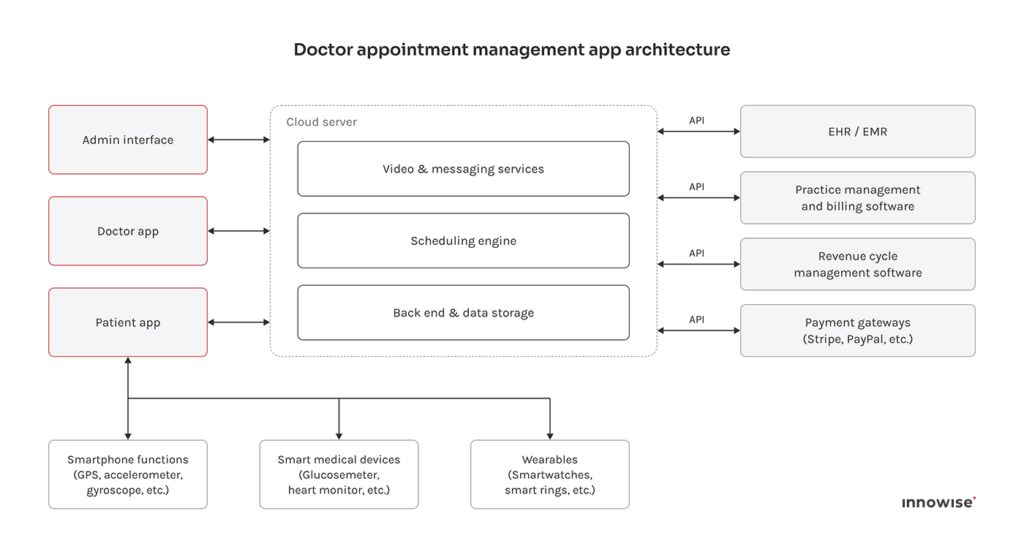
This stage includes planning the solution, back-end services, databases, APIs, user roles, data flows, and security measures.
Our experts choose the tech stack based on the requirements, expected workload, integration needs, security restrictions, and long-term product plans.
We map patient, doctor, and admin journeys and turn them into intuitive interfaces. Particular attention is paid to navigation and accessibility.
Our dedicated developers build the solution in iterative releases. With regular reviews, they keep development in line with the roadmap and priorities.
Then we connect the app with other systems, like EHR/EMR platforms and payment gateways, using secure APIs and HL7 v2 or FHIR standards.
In parallel with the development, we validate functionality, usability, performance, security, and integrations, and then release the app.
After launch, we monitor the app, fix bugs, roll out security updates, and expand the app with new integrations and capabilities.
Here are the most common challenges Innowise’s team faced as a doctor appointment mobile app development company, and practical steps that helped us tackle them.
Develop custom APIs or middleware to connect older systems and use secure and standardized data formats like HL7 v2, HL7 v3, or FHIR.
Apply tight access controls, end-to-end encryption, regular security patches in line with applicable requirements. Keep audit logs and monitor security at all times.
Make sure the app runs well under expected load: test performance, validate the MVP with real users. Provide clear user guides and in-app onboarding instructions.
To avoid overbooking, implement real-time availability dashboards, temporary slot locking, and conflict checks.

With our custom apps, you’ll forget about no-shows and mix-ups.
Talking about costs and time-to-market always requires context. And although the final price for your doctor appointment app is discussed individually, we’ve broken down three common scenarios and outlined approximate numbers.
| Project type | Basic appointment scheduling MVP | Medium-complexity doctor appointment app | Advanced appointment management platform |
|---|---|---|---|
| Core features | Patient registration, doctor profiles, search and filters, appointment booking, rescheduling and cancellation, provider calendars | Everything in the MVP, plus advanced notifications, analytics, patient intake forms, and telemedicine features | Everything in the medium-complexity app, plus AI features, complex scheduling rules, advanced analytics, and automated workflows |
| Integrations | Calendar services, basic payment gateway | EHR/EMR or practice management systems, payment services, insurance services, analytics tools, CRM | AI tools, billing and insurance platforms, e-prescribing, laboratory systems, etc. |
| Delivery timeline | 3–5 months | 5–8 months | 8–12+ months |
| Approximate cost | $100,000–$150,000+ | $150,000–$250,000+ | $250,000–$500,000+ |


A doctor appointment app MVP should cover the core booking journey and everything surrounding it. Typical features include patient registration and profiles, doctor search and filtering, provider schedules, real-time appointment availability, booking, rescheduling, cancellation, and an admin panel for managing doctors, patients, and appointments.
Depending on the business model, the MVP may also include online payments, basic notifications, insurance information, etc. We usually prioritize features based on clinical workflows, integration requirements, compliance needs, and the product’s launch goals.
The cost of developing a doctor appointment booking app can be anywhere from $100,000 to $500,000+. It depends on the product scope, number of user roles, platforms, integrations, security requirements, and customization level.
Other cost factors include UX/UI complexity, whether iOS and Android apps are required, third-party API fees, infrastructure, compliance activities, QA, and ongoing support. Innowise’s team can review the requirements and provide a project estimate based on the planned functionality, architecture, and delivery model.
Just as with the cost, the delivery timeline varies a lot, from 3 to 12+ months. A basic MVP can typically be developed in several months. And a more complex appointment platform may require a longer delivery cycle.
When faster time to market is important, the scope can be divided into phases so essential booking functionality is launched first and advanced capabilities are added in subsequent releases. That’s how we approach most of the similar projects.
Yes. A doctor appointment app can be integrated with an EHR or EMR, and a bunch of other systems, like practice management, billing software, and laboratory systems. It reduces duplicate data entry and keeps scheduling, payment, and treatment information synchronized. When integrating an app, depending on the target system, we may use vendor APIs or custom integrations based on HL7 v2, HL7 v3, and FHIR interoperability standards.
The exact requirements depend on the target markets, e.g., HIPAA in the US or GDPR in the EU. But the common consensus among doctor appointment app vendors is to build in encryption in transit and at rest, role-based access controls, secure authentication, audit logging, session management, protected APIs, and regular security testing.
When we build these apps, we also incorporate security reviews, vulnerability testing, backup and recovery mechanisms, and compliance-oriented documentation into the development process.
Yes, telemedicine can be a core module of the app from the very beginning, or added at later stages. If you’re unsure that you need telehealth features right now, we always recommend leaving room for potential telemedicine integration when planning the architecture. This way, your app will be ready for additional load, should you have second thoughts.
After launch, the doctor appointment application usually moves into an ongoing maintenance and evolution phase. This may include production monitoring, bug fixes, security updates, infrastructure support, performance optimization, functionality expansion, and assistance with third-party integrations. We at Innowise cover the full scope of doctor appointment app development services and help your product remain stable, secure, and up-to-date with users’ needs.
Your message has been sent.
We’ll process your request and contact you back as soon as possible.