Legacy software modernization company

Viele Unternehmen arbeiten nach wie vor mit Altsystemen, die schwer zu warten, nur langsam anpassbar und mit modernen Tools nicht kompatibel sind. Innowise bietet Dienstleistungen zur Modernisierung von Altsystemen an und überarbeitet dabei veraltete Architekturen und Programmcode.

1,600+

abgeschlossene Projekte

93%

Stammkunden

75%

erfahrene und fortgeschrittene Spezialisten

Viele Unternehmen arbeiten nach wie vor mit Altsystemen, die schwer zu warten, nur langsam anpassbar und mit modernen Tools nicht kompatibel sind. Innowise bietet Dienstleistungen zur Modernisierung von Altsystemen an und überarbeitet dabei veraltete Architekturen und Programmcode.

1,600+

abgeschlossene Projekte

93%

Stammkunden

75%

erfahrene und fortgeschrittene Spezialisten

Before and after
Leistungen
Vorteile
Entwicklungsumgebungen
Methods
Prozess

Why modernize legacy software?

  • Hohe Wartungskosten

Aging systems demand disproportionate engineering time. Patching outdated frameworks, managing unsupported dependencies, and keeping undocumented code functional all add up.

  • Engpässe bei der Leistung

Legacy architectures were designed for different scale requirements. As data volumes grow, older systems hit hard limits that no amount of tuning can fully resolve.

  • Sicherheits- und Compliance-Risiken

Outdated software lacks support for current encryption standards, access control models, and more. This creates compliance exposure under frameworks like GDPR, HIPAA, and ISO 27001.

  • Knowledge silos

When core business logic lives in code only one or two engineers understand, a resignation becomes a risk. Modernization replaces tribal knowledge with documented systems.

Hays logo.Spar logo. Tietoevry logo. BS2 logo. Digital science logo. CBQK.QA logo. Topcon logo.NTT Data logo. Familux Resorts logo. LAPRAAC logo.
Hays logo.Spar logo. Tietoevry logo. BS2 logo. Digital science logo. CBQK.QA logo.
Topcon logo.NTT Data logo. Familux Resorts logo. LAPRAAC logo.

Before and after software modernization

Legacy constraints
Modernized state
Monolithic architecture Rigid code where one small change causes system-wide failure.
Microservices & re-architecturing Modular, independent services that allow for isolated updates and 100% uptime.
On-premise & physical servers High TCO, hardware maintenance, and limited physical capacity.
Cloud-native & serverless Scalable AWS/Azure/GCP infrastructure with pay-as-you-go cost efficiency.
Manual & risky deployments Human errors during updates.
CI/CD & containerization Automated pipelines (Docker/Kubernetes) for instant, error-free deployments multiple times a day.
Information silos Trapped data; applications cannot talk to each other.
API-first ecosystem Seamless data exchange through REST/SOAP APIs, connecting your entire business.

Legacy software modernization services we offer

  • Audit
  • Migration
  • Re-engineering
  • Re-architecting
  • Refactoring
  • API modernization
  • Cloud-Migration
  • Containerisierung
  • UX/UI-Modernisierung
  • QS
  • DevOps

Legacy software audit

We start by mapping what you have: architecture diagrams, dependency graphs, security gaps, performance benchmarks, and more. The audit produces a clear picture of which parts of your system carry the most risk and where modernization is needed most.

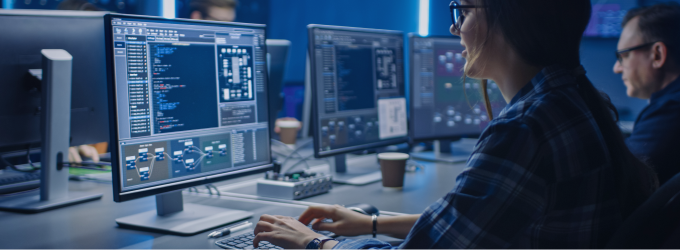
Product team reviewing system dashboards and coding ERP solutions together

Migration von Altsystemen

Whether it's a new database engine, a cloud provider, or a different application framework — we move data, logic, and workloads from outdated platforms to modern environments without losing integrity or continuity.

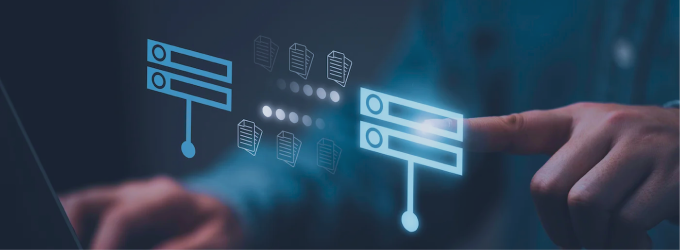
Data engineer interacts with a visual dashboard to orchestrate real-time data synchronization across systems.

Software-Reengineering

Our team rebuilds specific components or entire applications from the ground up when incremental improvement is no longer practical. Re-engineering preserves the business logic that works while replacing everything that holds it back.

Developers collaborating and reviewing code together in a software project meeting

Software re-architecting

Restructuring how an application is organized — typically by breaking monoliths into services, separating concerns, and introducing event-driven or microservices patterns — so the codebase can scale and evolve without cascading failures.

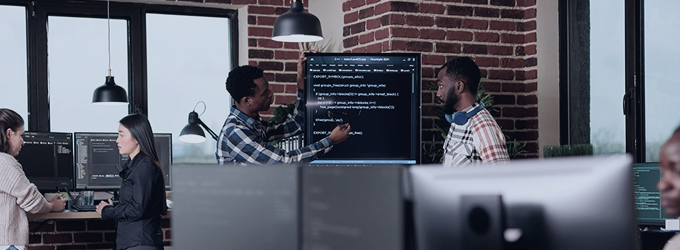
Agile development team in a brainstorming session, discussing project on a digital whiteboard

Refactoring von altem Code

Improve code quality without changing behavior. We clean up technical debt, improve readability, consolidate duplicate logic, and bring outdated code in line with current standards, making it easier for your team to maintain and extend the system.

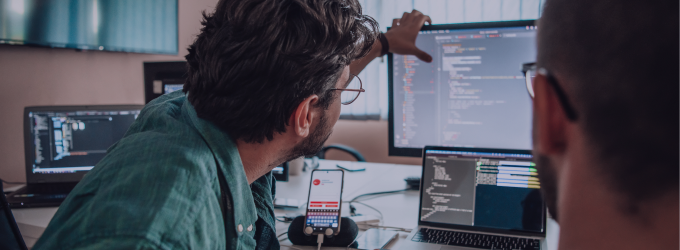
Software engineer explaining source code to a team member during a collaborative coding session

API modernization and integrations

Our engineers replace brittle point-to-point integrations with clean, versioned APIs. This includes building new API layers over existing systems, migrating from SOAP to REST, and connecting previously siloed applications.

Platform engineers configure API gateways to orchestrate secure communication across service networks.

Cloud migration for legacy systems

Assessing, planning, and executing the move of on-premises workloads to cloud infrastructure. We handle everything from lift-and-shift migrations to cloud-native redesigns, depending on what the system actually needs.

Real-time cloud synchronization powering digital workflows and remote access

Containerisierung von Anwendungen

Our team packages applications and their dependencies into containers using Docker and Kubernetes, so they run consistently across environments and can be deployed, scaled, and managed independently.

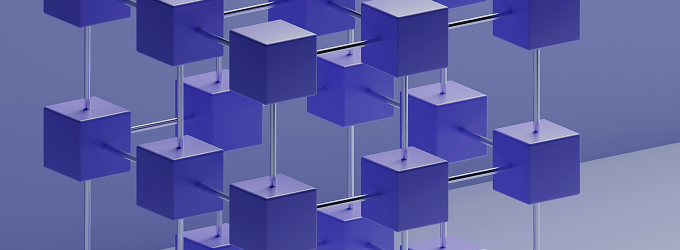
Networked architecture enables smooth data exchange across distributed systems

UX/UI-Modernisierung

Without necessarily touching the backend, we update front-end interfaces that have aged out of usability expectations. This way you get improved accessibility, reduced load times, and visual design aligned with current standards.

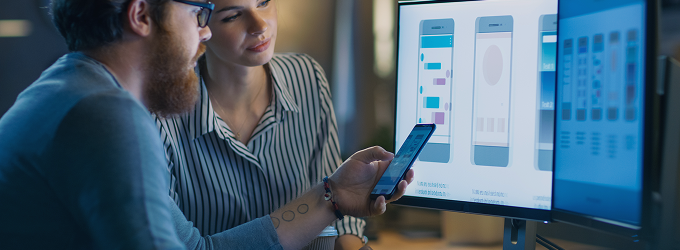
Design team discussion around user interface prototypes, reviewing interactive app designs on digital displays

QA and test automation

We build test coverage for systems that have little or none: unit tests, integration tests, and end-to-end test suites. We also offer automated testing services to make ongoing modernization work safe and sustainable.

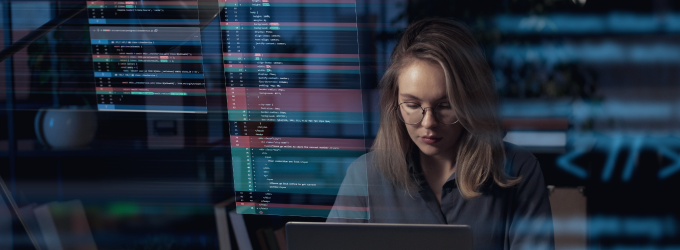
Data scientist building and testing algorithms with code overlays on screen

DevOps and DevSecOps

As part of our legacy system modernization services, we introduce or improve CI/CD pipelines, infrastructure automation, monitoring, and security controls so teams can ship faster and with more confidence.

DevOps engineers automate the CI/CD lifecycle, visualizing code integration and deployment in a single loop.

Legacy software audit

We start by mapping what you have: architecture diagrams, dependency graphs, security gaps, performance benchmarks, and more. The audit produces a clear picture of which parts of your system carry the most risk and where modernization is needed most.

Product team reviewing system dashboards and coding ERP solutions together

Migration von Altsystemen

Whether it's a new database engine, a cloud provider, or a different application framework — we move data, logic, and workloads from outdated platforms to modern environments without losing integrity or continuity.

Data engineer interacts with a visual dashboard to orchestrate real-time data synchronization across systems.

Software-Reengineering

Our team rebuilds specific components or entire applications from the ground up when incremental improvement is no longer practical. Re-engineering preserves the business logic that works while replacing everything that holds it back.

Developers collaborating and reviewing code together in a software project meeting

Software re-architecting

Restructuring how an application is organized — typically by breaking monoliths into services, separating concerns, and introducing event-driven or microservices patterns — so the codebase can scale and evolve without cascading failures.

Agile development team in a brainstorming session, discussing project on a digital whiteboard

Refactoring von altem Code

Improve code quality without changing behavior. We clean up technical debt, improve readability, consolidate duplicate logic, and bring outdated code in line with current standards, making it easier for your team to maintain and extend the system.

Software engineer explaining source code to a team member during a collaborative coding session

API modernization and integrations

Our engineers replace brittle point-to-point integrations with clean, versioned APIs. This includes building new API layers over existing systems, migrating from SOAP to REST, and connecting previously siloed applications.

Platform engineers configure API gateways to orchestrate secure communication across service networks.

Cloud migration for legacy systems

Assessing, planning, and executing the move of on-premises workloads to cloud infrastructure. We handle everything from lift-and-shift migrations to cloud-native redesigns, depending on what the system actually needs.

Real-time cloud synchronization powering digital workflows and remote access

Containerisierung von Anwendungen

Our team packages applications and their dependencies into containers using Docker and Kubernetes, so they run consistently across environments and can be deployed, scaled, and managed independently.

Networked architecture enables smooth data exchange across distributed systems

UX/UI-Modernisierung

Without necessarily touching the backend, we update front-end interfaces that have aged out of usability expectations. This way you get improved accessibility, reduced load times, and visual design aligned with current standards.

Design team discussion around user interface prototypes, reviewing interactive app designs on digital displays

QA and test automation

We build test coverage for systems that have little or none: unit tests, integration tests, and end-to-end test suites. We also offer automated testing services to make ongoing modernization work safe and sustainable.

Data scientist building and testing algorithms with code overlays on screen

DevOps and DevSecOps

As part of our legacy system modernization services, we introduce or improve CI/CD pipelines, infrastructure automation, monitoring, and security controls so teams can ship faster and with more confidence.

DevOps engineers automate the CI/CD lifecycle, visualizing code integration and deployment in a single loop.
Mehr anzeigen
Modernize your stack without downtime

What legacy software modernization helps you achieve

  • Lower maintenance spend

Replacing hard-to-maintain code and infrastructure with modern systems reduces the engineering time required to keep things running.

  • Faster product delivery

Modern CI/CD pipelines, clean architecture, and automated testing remove the friction that slows releases. Teams spend more time building features, not managing issues.

  • Bessere Skalierbarkeit

Cloud-native and containerized systems scale with demand, both up and down. You stop paying for idle capacity and stop hitting ceilings during peak periods.

  • Stronger security posture

Modernisierung von Legacy-Software closes known vulnerabilities, establishes proper access controls, and brings systems into alignment with current compliance requirements.

  • AI-ready infrastructure

Machine learning and GenAI tools require clean data pipelines and compute environments that legacy systems don’t provide. Modernization puts that infrastructure in place.

  • Shared system knowledge

When business logic is documented, tested, and written in modern languages and frameworks, it’s no longer locked inside the heads of a few engineers.

Legacy environments we modernize

Software modernization methods we use

Lift and shift
At Innowise, we move legacy applications to modern infrastructure, most often cloud environments, without changing the core codebase.
Replatforming
Our specialists upgrade the runtime or hosting platform while keeping the main business logic intact. This may include a move from virtual machines to containers, or from on-premises environments to managed cloud services
Incremental UI modernization
For mobile products, we keep the backend and core logic in place and replace the interface one screen at a time with modern frameworks such as SwiftUI, Jetpack Compose, or React Native.
Parallel running
The Innowise team runs legacy and modernized systems side by side and compares outputs before the final cutover.
API wrapping
Our engineers place a modern API layer around legacy backend systems so new web and mobile applications can work with old platforms through a clean interface.
Is your system holding your business back?

See how our legacy modernization services improve performance and maintainability.

Our step-by-step software modernization process

Reviewing your current systems

We audit the existing codebase, infrastructure, integrations, and operational costs to establish a clear baseline.

Setting clear business goals

We define what success looks like: reduced maintenance spend, faster releases, regulatory compliance, or specific performance targets.

Planning a flexible architecture

We design a target state that addresses current constraints and accommodates the systems you expect to integrate in the coming years.

Building an upgrade plan

We sequence the work to minimize disruption, front-load high-risk items, and deliver value incrementally rather than in one large release.

Modernizing the system

We execute the migration, re-engineering, or refactoring work with regular reviews and clear rollback options at each stage.

Automating routine work

We implement CI/CD pipelines, infrastructure as code, and automated testing so the team can ship confidently and frequently.

Checking security and performance

We validate the modernized system against security standards, performance benchmarks, and any applicable regulatory requirements.

Tracking results and improving

We establish monitoring and observability, measure outcomes against goals, and use that data to guide the next phase of improvement.

Was unsere Kunden sagen

Alle Kundenbewertungen (55)

"Innowise stellte hervorragende IT-Fachkräfte zur Verfügung. Das Team lieferte stets pünktlich, mit minimalen Fehlern, wertvollen Empfehlungen und qualitativ hochwertiger Arbeit. Wir waren von den Fähigkeiten und Qualifikationen der Kandidaten beeindruckt."
Matthew Watson
CTO, Sionic
4.5
Vollständige Bewertung lesen
Projektdetails einsehen
"Innowise bewies außergewöhnliche Anpassungsfähigkeit und technische Kompetenz. Sie skalierten ihr Team nahtlos, um unseren sich wandelnden Bedürfnissen gerecht zu werden, und setzten in Spitzenzeiten bis zu zwei vollständige Teams ein."
Kristin Veck
Leitender Ingenieur, Think of Us
5.0
Vollständige Bewertung lesen
Projektdetails einsehen
"Innowise lieferte ein sicheres und fesselndes Telegram-Minispiel mit einer einzigartigen Tap-to-Earn-Mechanik, einem Empfehlungssystem und der Integration von TON Wallet. Ihr flexibler und professioneller Ansatz half GSHAKE, im ersten Monat über 400.000 Spieler anzuziehen."
Vachtangas Babunašvili
Mitbegründer, Sfero
5.0
Vollständige Bewertung lesen
Projektdetails einsehen

Legacy software modernization trends we support

Cloud-native architectures Icon
API-orientiertes Design Icon
Kubernetes and containers Icon
DevSecOps Icon
Serverlose Architektur Icon
Generative KI Icon
AIOps Icon
Infrastruktur als Code (IaC) Icon

FAQs

The most common signals are rising maintenance costs, difficulty onboarding new engineers, inability to integrate with modern tools, recurring performance or reliability issues, and compliance gaps. If your team spends more time keeping things running than improving them, that's a clear sign that the cost of inaction is already high. Legacy modernization services can address each of these pain points through targeted, sequenced interventions rather than a full system replacement.

Legacy software modernization is the process of updating, restructuring, or replacing outdated systems to make them more maintainable, performant, secure, and compatible with current technology. It covers a wide range — from refactoring specific code modules to migrating entire applications to the cloud — depending on the state of the system and what the business needs from it.

Legacy software modernization services typically include an initial audit, architecture planning, migration or re-engineering of application components, API development, cloud migration, automated testing, CI/CD implementation, and ongoing support. They may also cover security hardening, compliance alignment, and DevOps enablement, depending on the system's state. The exact scope is shaped by your current environment and target outcomes.

The right approach depends on how much of the existing system is worth preserving. Refactoring makes sense when the structure is sound but the code is brittle or poorly documented. Replatforming works when the application logic is solid but the infrastructure is holding it back. Rebuilding is appropriate when the codebase has accumulated so much technical debt that incremental improvement costs more than starting fresh. Replacement with a commercial product or SaaS solution is worth considering when the system solves a problem that off-the-shelf software now handles well. We help you make this assessment during the audit phase.

Yes, with the right sequencing. Most modernization projects use incremental approaches, such as running systems in parallel, strangler fig patterns, or phased migrations, so the existing system stays operational while the modernized components go live progressively. A well-structured plan identifies which parts of the system carry the most operational risk and schedules those transitions carefully.

A modernization audit typically covers an inventory of existing components and their dependencies, a review of code quality and technical debt, identification of security vulnerabilities and compliance gaps, performance benchmarking, infrastructure cost analysis, and an assessment of integration points. The output is a prioritized view of what to modernize and in what order. When engaging a legacy software modernization company for an audit, the deliverable should give you enough information to plan the full project, not just list the problems.

Yes, Innowise has experience across all of these environments, including .NET Framework, Java monoliths, PHP-based backends, C/C++ business logic, and legacy mobile stacks such as Cordova, Ionic, and Xamarin. For each, the modernization approach is tailored to the language, framework, and target environment.

Most AI and machine learning tools require clean, accessible data and modern APIs to integrate with. Legacy systems often store data in hard-to-access formats, expose no APIs, and run on infrastructure that doesn't support the compute requirements of AI workloads.

Refactoring is a specific technique within modernization: it improves the internal structure of code without changing its external behavior. Software modernization is broader. It can involve refactoring, as well as re-architecting, migrating to new platforms, replacing outdated dependencies, updating infrastructure, and improving the processes around how software is built and deployed.

Mehr anzeigen Weniger anzeigen

Rufen Sie uns einfach an und erhalten Sie alle Antworten, die Sie brauchen.

    Kontakt aufnehmen

    Anruf vereinbaren oder füllen Sie das Formular aus. Wir kontaktieren Sie, sobald wir Ihre Anfrage bearbeitet haben.

    Sprachnachricht senden
    Datei beifügen
    Datei hochladen

    Sie können 1 Datei mit bis zu 2 MB anhängen. Gültige Dateiformate: pdf, jpg, jpeg, png.

    Mit dem Klicken auf Senden erklären Sie sich damit einverstanden, dass Innowise Ihre personenbezogenen Daten gemäß unserer Datenschutzerklärung verarbeitet, um Ihnen relevante Informationen bereitzustellen. Mit Angabe Ihrer Telefonnummer stimmen Sie zu, dass wir Sie per Sprachanruf, SMS oder Messaging-Apps kontaktieren. Es können Gebühren für Anrufe, Nachrichten und Datenübertragung anfallen.

    Sie können uns auch kontaktieren
    bis hin zu contact@innowise.com
    Wie geht es weiter?
    1

    Sobald wir Ihre Anfrage erhalten und geprüft haben, melden wir uns bei Ihnen, klären erste Fragen und unterzeichnen bei Bedarf ein NDA, um die Vertraulichkeit zu gewährleisten.

    2

    Nach genauer Prüfung Ihrer Anforderungen, Bedürfnisse und Erwartungen wird unser Team einen Projektvorschlag mit Angaben zu Arbeitsumfang, Teamgröße, Zeitaufwand und Kosten erstellen.

    3

    Wir vereinbaren einen Termin, um das Angebot gemeinsam zu besprechen und alle Details festzulegen.

    4

    Abschließend unterzeichnen wir den Vertrag und starten umgehend mit der Umsetzung Ihres Projekts.

    Weitere Dienstleistungen, die wir abdecken

    arrow