Träffa oss på US Roadshow 6-22 oktober. Se detaljernaInnowise Roadshow i USA, 6–22 oktober
Lämna dina kontaktuppgifter, så skickar vi dig vår översikt via e-post
Jag samtycker till att mina personuppgifter behandlas för att skicka personligt marknadsföringsmaterial i enlighet med integritetspolicy. Genom att bekräfta inlämningen samtycker du till att få marknadsföringsmaterial
Tack!
Formuläret har skickats in framgångsrikt. Ytterligare information finns i din brevlåda.
Varje artikel på Innowise är skriven av författare med praktisk erfarenhet. De har en förståelse för ämnet som sträcker sig bortom teorin och bidrar med insikter från verkliga projekt.
11+ års erfarenhet
Verifierad expert
11+ års erfarenhet
Roman leder arbetet med AI-driven läkemedelsutveckling och klinisk forskning. Han är specialiserad på att omvandla fragmenterad medicinsk data till högpresterande analysverktyg som påskyndar innovation i laboratorier och förändrar moderna metoder inom biovetenskap.
Expertis
Biovetenskap och läkemedel Hälso- och sjukvårds IT ML
Medicinska ämnen är i sig svåra att förstå. Från komplexiteten i människans anatomi och sjukdomar till läkemedlens molekylära strukturer - så mycket av den moderna sjukvården hänger på begrepp som är svåra att föreställa sig eller förklara.
Och det är detta visualiseringsgap som skapar de vanligaste hindren för alla. Studenter kämpar för att förstå hur människokroppen fungerar. Läkare behöver snabba referenser för att diskutera tillstånd med patienter och kollegor. Patienter har ofta problem med att förstå sina diagnoser och behandlingsplaner. Sjukvårds- och läkemedelsföretag har problem med att förklara hur deras utrustning, läkemedel eller tjänster fungerar.
För att ta itu med dessa praktiska utmaningar bestämde sig vårt team för att göra medicinsk 3D-visualisering tillgänglig och intuitiv, men utan att kompromissa med eller minska den kliniska noggrannheten.
Saknas fördjupning och interaktion i läkarutbildningen?
Innan vi berättar vad vi har haft för oss är det värt att nämna varför det visuella är så viktigt inom medicin. Spoiler: visuell kommunikation är inte bara en lyx; det har en mätbar inverkan. Låt oss ta en titt på lite statistik:
Visuella inlärare dominerar befolkningen. Majoriteten av människor (ungefär 65%) är visuella elever, vilket innebär att de behåller information bäst när de kan se den. Med andra ord passar visuella hjälpmedel de flesta studenters inlärningsstil, inklusive medicinska.
Videor ökar studenternas engagemang och förmåga att stanna kvar. En studie av farmacistudenter bekräftade att korta utbildningsvideor avsevärt förbättrar inlärningen och den aktiva minnesförmågan. I siffror, 95% av elever ansåg att videor hjälpte till att förstärka föreläsningsinnehållet, medan 58% rapporterade förbättrad minnesförmåga.
Visuella hjälpmedel förenklar kommunikationen mellan läkare och patient. A meta-analys av 54 randomiserade kontrollerade studier visade att visuella bilder förbättrar patienternas förståelse och minnesförmåga, och har ännu större effekt på personer med lägre hälsokunskaper.
Sammantaget understryker dessa resultat en enkel men kraftfull sanning, nämligen att våra hjärnor är skapta för visuella intryck. Och inom ett så komplicerat område som hälso- och sjukvård är tydliga visuella förklaringar avgörande.
Vår metod: att visualisera det osedda i 3D
Trots att medicin är komplicerat till sin natur behöver inte sättet vi presenterar det på vara det. Vårt mål är att ta bort onödiga hinder, men utan att förenkla själva vetenskapen.
I vår verksamhet fokuserar teamet på tre grundläggande principer: Tillgänglighet, klinisk noggrannhet, och visuell excellens.
Tillgänglighet. Visuella hjälpmedel är bra, men inte när de är låsta. Oavsett om en student förbereder sig för ett anatomiprov eller en patient försöker förstå en diagnos är vårt mål att göra medicinska ämnen intuitiva och lätta att lära sig med så lite friktion som möjligt.
Klinisk noggrannhet. Varje enskild 3D-lösning som vi utvecklar måste verifieras av ett internt team med över 30 medicinska specialister. Detta är ett bevis på vårt engagemang för noggrannhet när det gäller att skildra anatomi, patologi eller andra vårdkoncept.
Visuell excellens. Vi anser att verklighetstrogna bilder är ett verktyg för bättre inlärning, tydligare kommunikation och säkrare beslutsfattande. Därför ägnar våra 3D-artister stor uppmärksamhet åt detaljer och realistiska proportioner för att hjälpa användarna att utforska rumsliga relationer och processer som de faktiskt förekommer.
Visuella upplevelser vi skapar
Frågan är då: hur omvandlar vi dessa principer till meningsfull påverkan? Genom att bygga praktiska visuella verktyg som läkare, lärare, studenter, patienter och marknadsförare kan använda varje dag. Här är de lösningar som vårt team kom fram till:
VOKA 3D Anatomy & Pathology
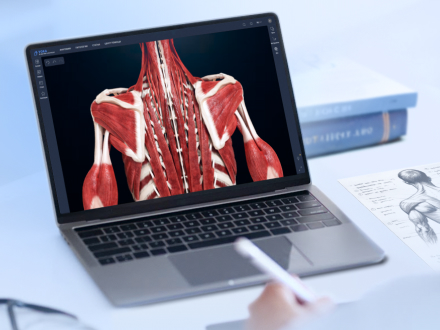
Vår flaggskeppslösning är VOKA 3D Anatomy & Pathology app som vi utvecklar under överinseende av praktiserande läkare. Det är en interaktiv 3D-atlas som finns tillgänglig på webben och mobilappar, Det är en app som gör medicinsk utbildning, klinisk förberedelse och patientkommunikation mer visuell och intuitiv. För närvarande är appen lokaliserad på engelska, tyska och ryska.
Vad finns på insidan?
VOKA-appen innehåller för närvarande över 1 000 interaktiva 3D-modeller som täcker både anatomi och patologi. Användarna kan studera kroppen per region eller system, fördjupa sig i embryologi, mikroanatomi och biomekanik samt utforska 19 patologikategorier, från hjärt- och kärlsjukdomar till dermatologi, neurologi, traumatologi och mycket mer.
Våra modeller byggs upp med hjälp av MR- och CT-data, histologiska referenser och kliniska manualer. De granskas av medicinska specialister och uppdateras kontinuerligt för att återspegla aktuella branschstandarder.
Interaktivitet
Vi fokuserade på att göra upplevelsen så interaktiv som möjligt. När du manipulerar modellen kan du zooma in/ut, rotera, isolera eller dölja strukturer. Dessutom har vi lagt till många funktioner för att berika din utforskning av anatomi och patologi, bland annat
Virtuell dissektion för att göra anpassade tvärsnitt
3D- och 2D-pennor för att rita rätt på modellen
Text & bild för att placera ytterligare material bredvid modellen
Färgmarkering och pekare för att fokusera på specifika strukturer
Personlig samling för att spara utvalda modeller på ett ställe
Topografiskt läge att se organ och strukturer i sitt sammanhang
Inbyggda ögonblicksbilder för att snabbt fånga den vy som behövs
AR-läge (i mobilen) att placera modeller direkt i ditt fysiska utrymme
Förutom 3D-modeller innehåller appen även medicinska artiklar som kopplar ihop bilder med tydliga förklaringar.
Tillgänglighet
Som vi nämnde tidigare vill vi att appen ska fungera var och hur den än behövs, i olika miljöer och scenarier. Utöver mobil och webb är VOKA 3D Anatomy & Pathology kompatibel med anatomibord, interaktiva tavlor, LMS-plattformar, pekskärmar och VR/AR-enheter. Oavsett om du befinner dig i ett klassrum, på en klinik eller i ett konferensrum är upplevelsen sömlös.
Faktum är att appen redan är integrerad i programmen på flera universitet, vilket ger studenterna direkt tillgång till våra 3D-modeller som en del av deras kurser och studiematerial.
Medicinska och vetenskapliga animationer
Eftersom medicin inte är statiskt ledde det oss till en annan utmaning: hur kan vi hjälpa människor att se dynamiska processer?
Hur ett läkemedel verkar på molekylär nivå. Hur en medicinteknisk produkt interagerar med vävnad. Hur ett kirurgiskt ingrepp går till steg för steg. Det här är dynamiska mekanismer, och inte ens interaktiva 3D-modeller räcker till här. Så det var så vår andra stora inriktning föddes.
Mångfacetterad expertis
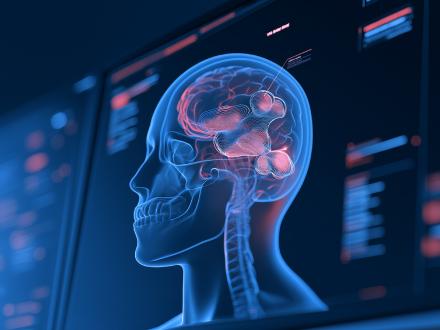
Under årens lopp har våra medicinsk animation arbete har vuxit långt bortom en enda nisch. Det som började som enskilda projekt har utvecklats till ett mångsidig portfölj inom ett flertal terapeutiska områden: kardiologi, onkologi, dermatologi, gynekologi, traumatologi, endokrinologi och många fler.
Vissa animationer fokuserar på verkningsmekanismen (MoA) eller sjukdomsmekanismen (MoD), medan andra förklarar kirurgiska tekniker, fysiologi, biotekniska processer eller hur medicintekniska produkter fungerar. Vi utvecklar också förklarande videor som översätter vetenskap till engagerande berättelser.
Branscher vi betjänar
Vårt team har samarbetat med kunder från ett brett spektrum av branscher inom hälso- och sjukvård och life science. De kom till oss med olika utmaningar, men alla hade samma behov: att visualisera något komplext på ett övertygande och trovärdigt sätt.
Bland våra kunder finns läkemedelsföretag, tillverkare av medicintekniska produkter, kliniker för estetisk medicin och plastikkirurgi samt marknadsföringsbyråer. För dem är tydlig visualisering inte bara ett designval. Därför bygger vi våra animationer utifrån deras behov av att utbilda patienter, skapa förtroende bland investerare och engagera rätt målgrupp på en konkurrensutsatt marknad.
Marknadsföring av evenemang
Många av våra kunder förlitar sig på branschevenemang, utställningar och kongresser som en viktig del av sin marknadsföringsstrategi. För att möta denna efterfrågan har vi också börjat anpassa våra visuella upplevelser till eventytor med interaktiva skärmar, pekskärmar och LED-väggar som fängslar deltagarna. Våra renderingar används också för broschyrer, banners och presentationer.
Pedagogiskt nav: VOKA Wiki
Med ett växande bibliotek av bilder och ett starkt internt medicinskt team insåg vi att det saknades ytterligare en del - en strukturerad kunskapsbas för att koppla samman allt. Det är därför VOKA Wiki skapades.
VOKA Wiki är en utbildningsresurs som utvecklats av medicinsk personal. Den innehåller tydligt skrivna artiklar som förklarar anatomi, patologi och kliniska begrepp, var och en med stöd av våra bilder och videor för att förstärka förståelsen.
Plattformen innehåller också frågesporter som engagerar till aktivt lärande och ger användarna möjlighet att testa sina kunskaper.
Smygtitt på VOKA:s färdplan
Trots att vi redan har uppnått så mycket har vår resa bara börjat. För VOKA 3D Anatomy & Pathology planerar vi att:
Utöka biblioteket med fler modeller och nya kategorier, så att användarna kan utforska ett bredare spektrum av patologier.
Lokalisera appen till andra språk, så att fler studenter och yrkesverksamma kan studera på sitt modersmål.
Lägg till frågesporter för att göra inlärningen mer interaktiv.
På animationssidan är produktionen i full gång. Vi fortsätter att tänja på gränserna för vetenskaplig noggrannhet, engagemang och interaktivitet, och hjälper människor att se medicin på sätt som inte var möjliga tidigare.
Avslutning om kraften i visuell medicin
Medicinen står aldrig stilla. Nya behandlingar, tekniker och forskningsupptäckter dyker upp varje år. Var och en av dem introducerar nya mekanismer som måste förklaras för läkare, patienter och vårdpersonal i allmänhet. Dessa ständiga framsteg innebär att det alltid finns mer att visualisera.
På VOKA är vi övertygade om att visualisering är ett av de mest kraftfulla sätten att göra medicin begriplig. Och den övertygelsen driver allt vi skapar, från interaktiva 3D-modeller och medicinska animationer till utbildningsresurser som VOKA Wiki.
För oss är det ett uppdrag. Det är därför vi fortsätter att utöka våra verktyg och vårt innehåll för att hjälpa människor att se medicin tydligt och lära sig smartare.
AI förändrar spelreglerna inom konsultbranschen. Ta reda på vilka trender för 2026 som är verkliga, var kunderna får förhandlingsfördelar och vad du bör kräva av din nästa IT-partner.
Att programmera med Vibe går snabbt, är rörigt, kraftfullt och riskfyllt. Här är fördelarna jämfört med traditionell programmering – och där det inte håller måttet.
Vi behandlar din begäran och återkommer till dig så snart som möjligt.
Stäng
Vasili Kovalevitj
Vice VD för affärsutveckling, västra regionen
Vasili leder försäljningen i sin region med ett tydligt fokus på att matcha affärsmål med rätt tekniska lösningar.
Egor Grishenko
VP för affärsutveckling, Nordamerika
Med en djup förståelse för regionala marknadsbehov driver Egor affärsutveckling i Nordamerika och hjälper kunderna att strukturera komplexa beslut.
Egor Chareichyk
Försäljningschef
Egor har över 12 års erfarenhet av B2B-teknikförsäljning inom fintech, bankväsendet, hälso- och sjukvård, e-handel och Web3. Han är specialiserad på hela försäljningscykeln och långsiktiga kundrelationer.
I oktober i år ger sig Innowise ut på turné igen, med en ny Roadshow i USA som tar oss över 13 städer från Detroit till Chicago.
Om det finns en sak som våra tidigare roadshows har visat oss, så är det hur mycket bättre vissa samtal är när man träffas ansikte mot ansikte. Det är ett tillfälle att verkligen ta igen det vi missat, diskutera idéer utan tidspress och ibland upptäcka möjligheter som helt enkelt inte skulle dyka upp via e-post eller under ett telefonsamtal.
Den här gången är det Vasili Kovalevich, senior vice president för affärsutveckling, Egor Grishenko, vice VD för affärsutveckling, och Egor Chareichyk, försäljningschef, kommer att resa runt i USA under hela oktober. De har redan inbokade möten med några av våra befintliga kunder, men vi skulle också gärna träffa nya människor längs vägen.
Våra stopp under turnén i USA
6 oktober — Detroit, MI
7 oktober — Pittsburgh, PA
8 oktober — New York, NY
9 oktober — Washington, DC
10 oktober — Knoxville, Tennessee
12–13 oktober — Atlanta, GA
14 oktober — Little Rock, AR
15 oktober — Houston, Texas
16 oktober — San Antonio, Texas
19 oktober — Denver, Colorado
20 oktober — Des Moines, Iowa
21 oktober — Milwaukee, Wisconsin
21–22 oktober — Chicago, IL
Så om du är baserad i någon av dessa städer och har ett projekt på gång, en teknisk utmaning som du vill diskutera, eller om du helt enkelt är nyfiken på hur ett samarbete med Innowise skulle kunna se ut, är du välkommen att höra av dig.
Det behöver inte vara ett formellt möte eller en stor presentation. Ibland räcker det med en kopp kaffe och ett gott samtal för att se om det finns något som är värt att utforska tillsammans.
Ska du vara i närheten? Då kan vi ju träffas. Hör av dig till vårt team så hittar vi en tid som passar.




 Anlita oss
 Om oss