Thank you!
Your message has been sent.
We’ll process your request and contact you back as soon as possible.
The form has been successfully submitted.
Please find further information in your mailbox.
 Hire us
 About usTechnologiesIndustriesPortfolio
Innowise’s skillful 3D visualization specialists are full of bright ideas for commercial projects and portfolio cases. They actively follow the latest industry trends and improve their expertise and creative approaches non-stop.
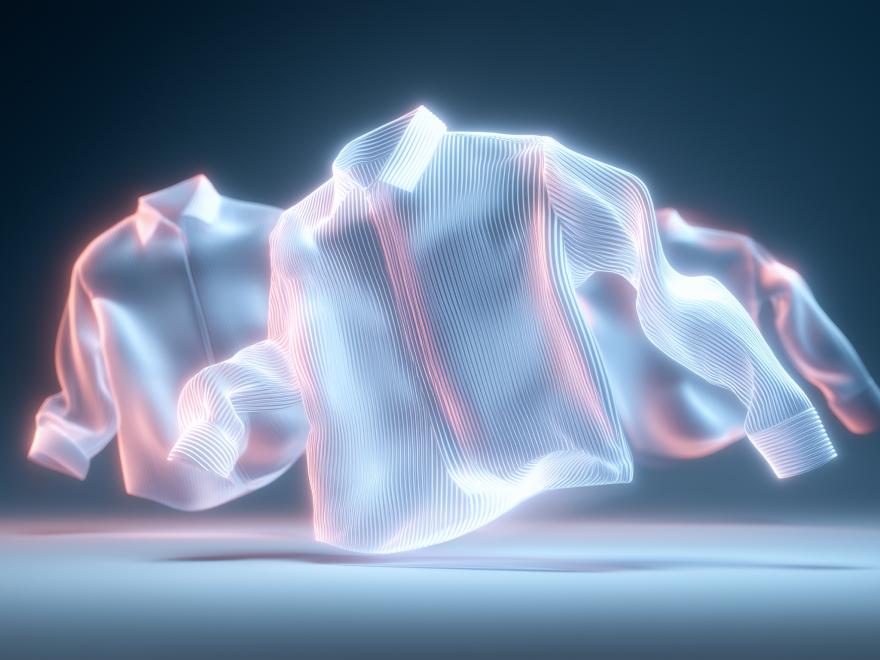
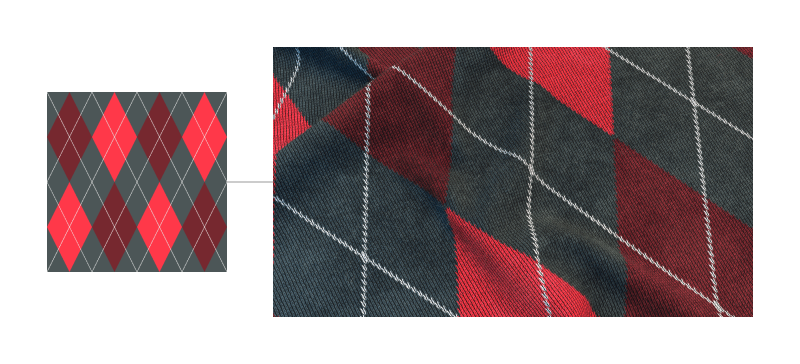
Recently, our 3D designers have presented an experimental solution that unites design and digital fashion. The main goal was to create a realistic knitted fabric texture generator practically from scratch. The hard-edged rhomboid image was the basis for receiving a natural close-to-reality pattern with a “wool over” effect in Substance Designer, Hair and Fur 3ds Max modifier, and Arnold render. The result surpassed all the expectations: it was quite challenging to distinguish the artificial piece of clothing from a woolen sweater’s photo.
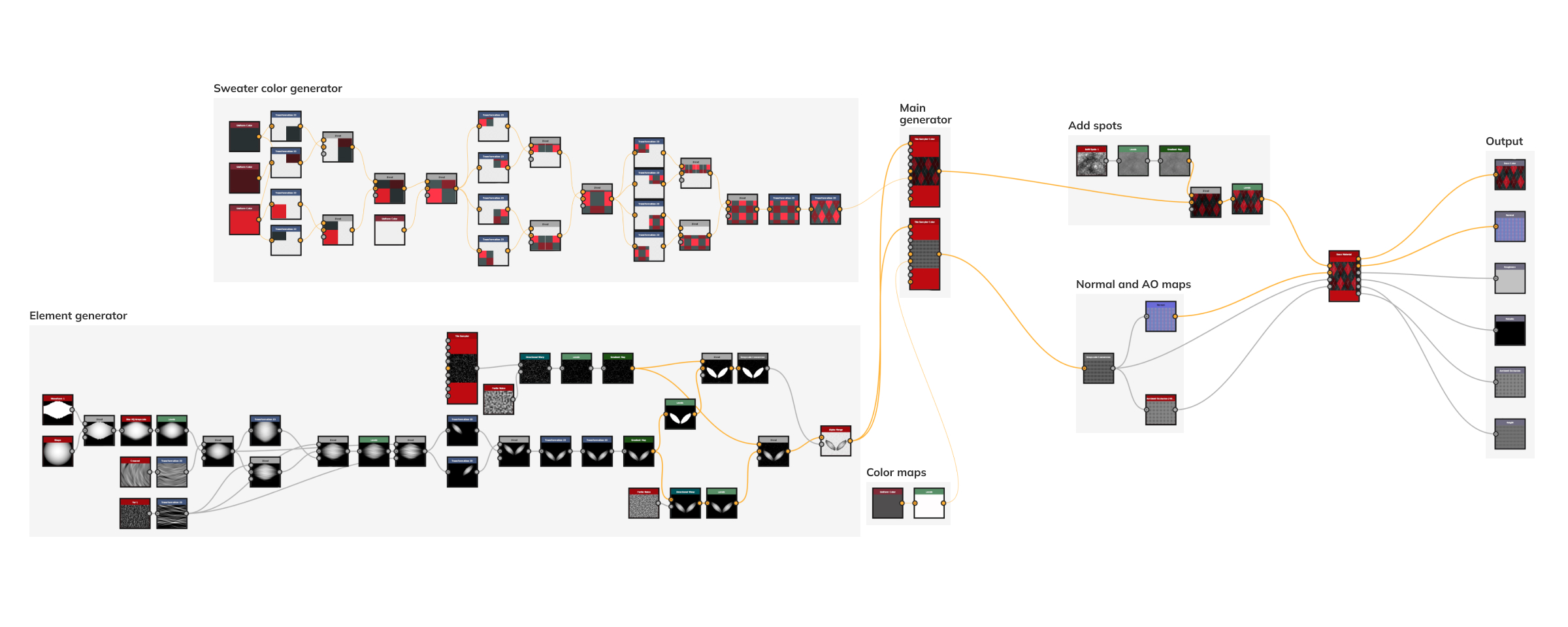
The process of digital product rendering required time and patience, but the final result was worth it. We briefly highlight the scheme of the flat picture’s transformation into a detailed volumetric texture generator in Substance Designer.
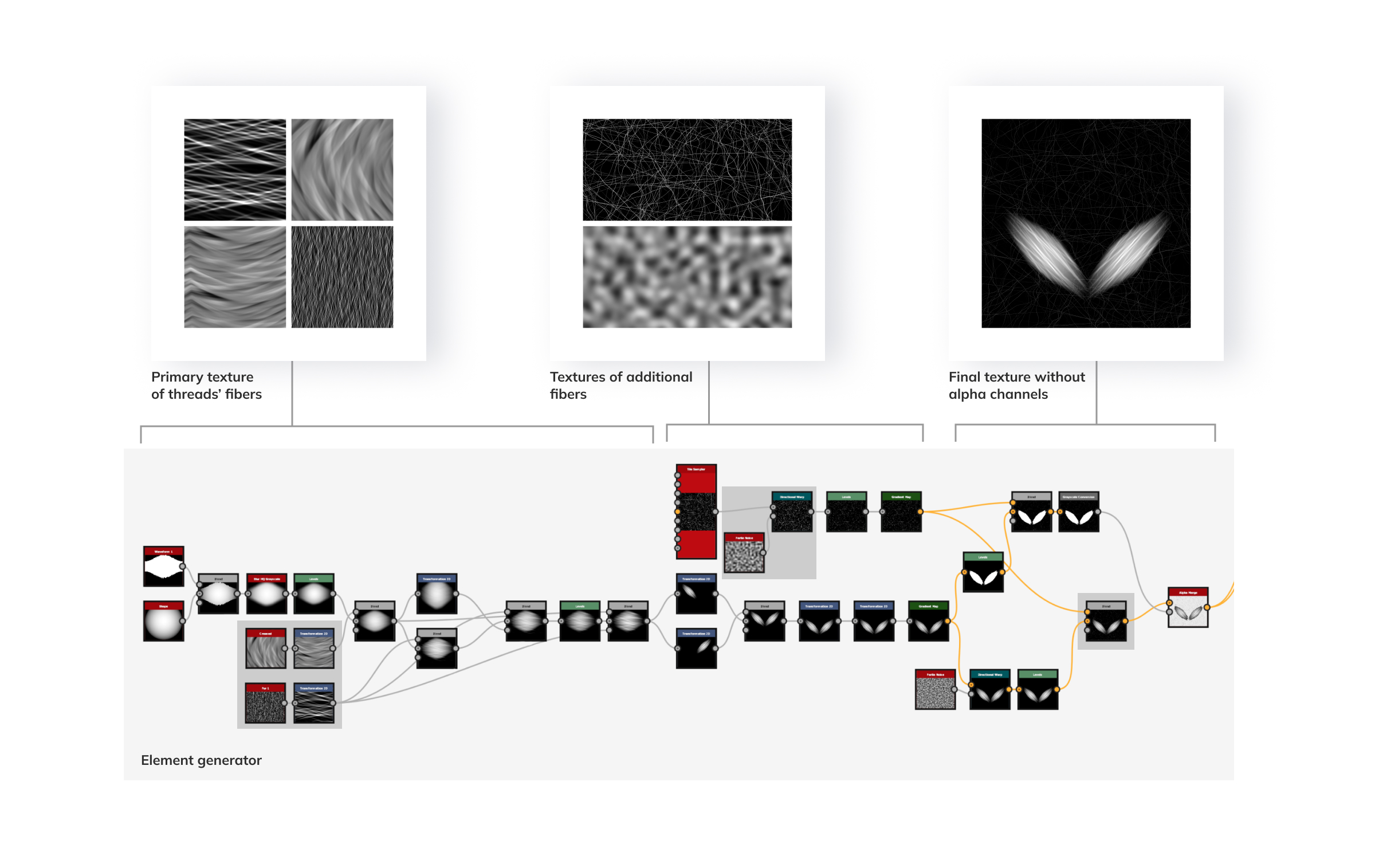
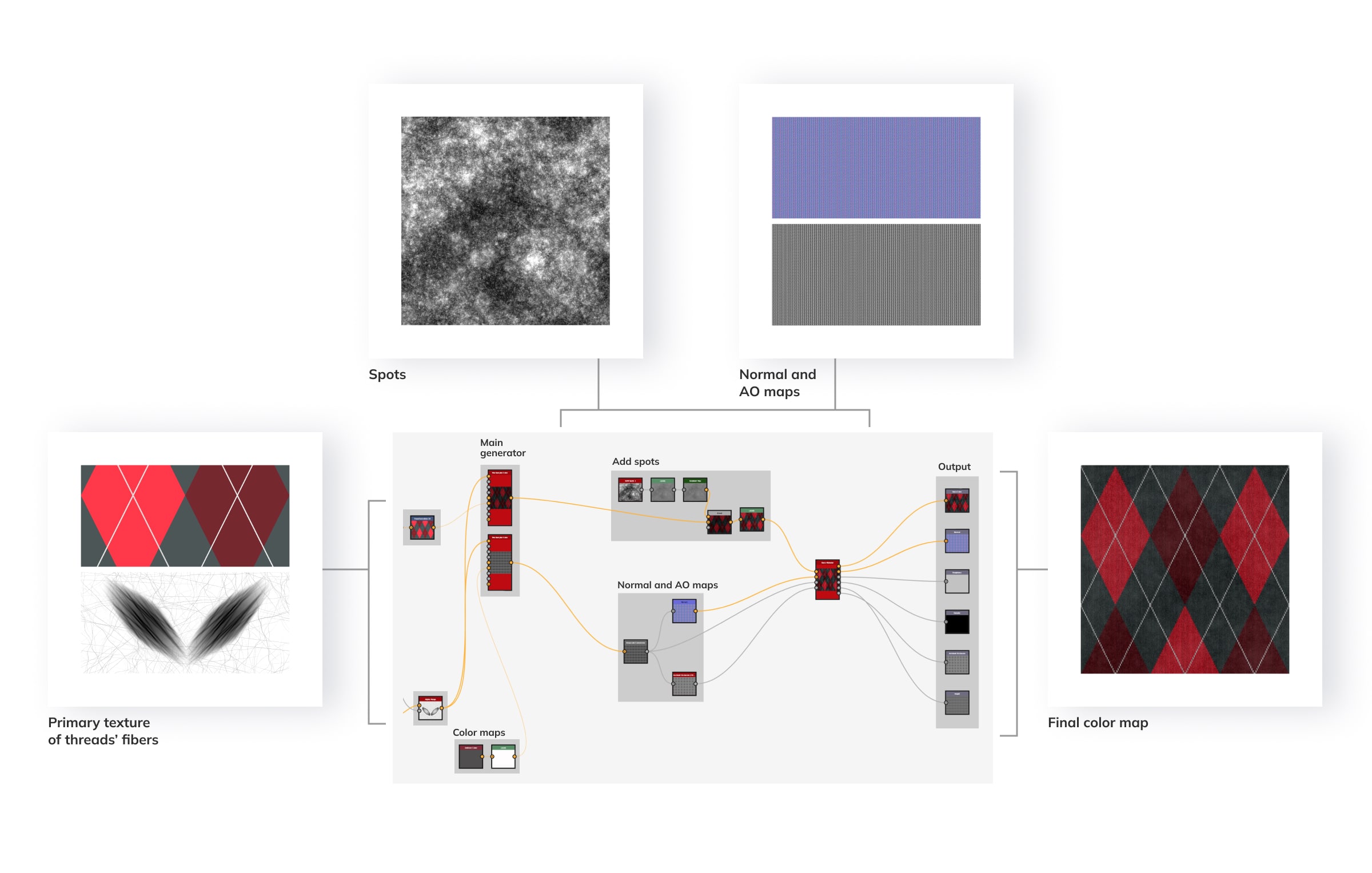
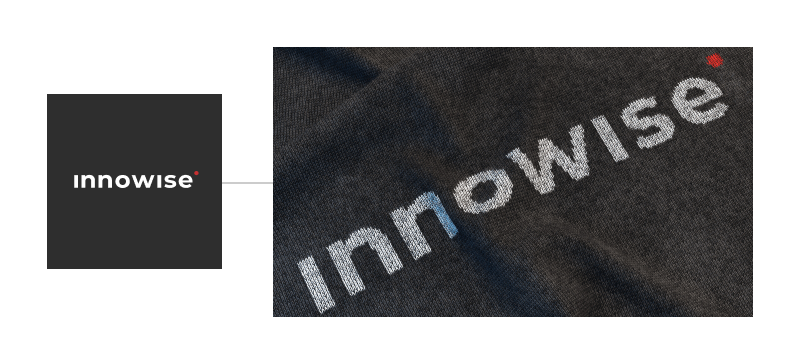
Innowise’s 3D designers have received many curious comments and reviews after uploading the patterns on ArtStation. We have even added our logo “Innowise” on the digital knitted fabric and thus provided a convenient template for future merch materials. With the proper level of professionalism, the best 3D designers can also work with fur, velvet, velour, suede, and other fleecy materials.
With a skillful approach, one can turn a flat pixel image into an extensive detailed piece of art. Thus, proficient 3D rendering opens up new avenues for visualization of clothing and furniture production, digital fashion design, creating avatars and assets for GameDev, advertising, movies, 3D animation, AR/VR/MR, and Metaverse. Artificial fabric images can also find the implementation in the following areas:
3d product rendering services possess boundless potential and cutting-edge functionalities that designers, artists, manufacturers, and marketers can utilize. If you are searching for a collaboration that will make your bold 3D dreams come true, contact Innowise to start the partnership.